
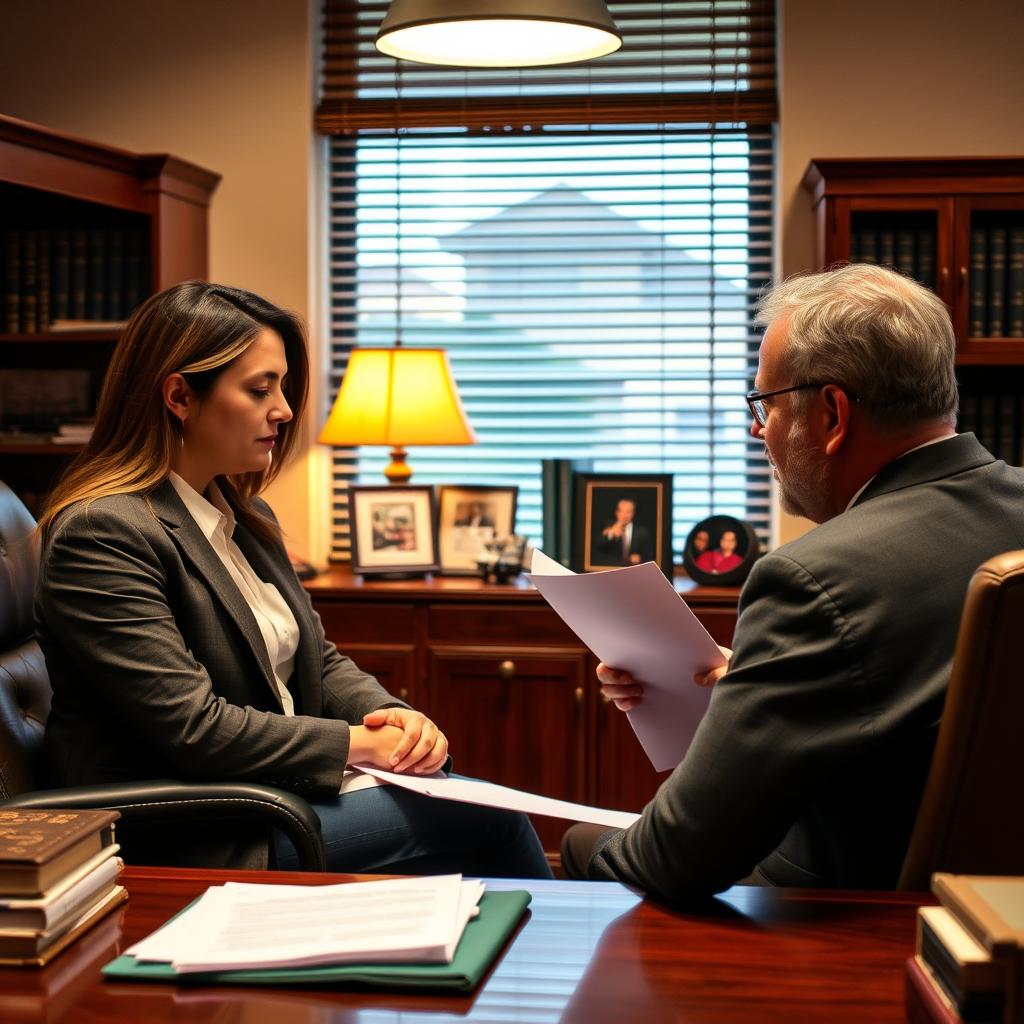
What happens at a DUI arraignment in Petworth
If you have a DUI arraignment in Petworth, you will appear at the Superior Court of the District of Columbia, 500 Indiana Avenue NW, in the Judiciary Square neighborhood. At the arraignment, the judge will formally advise you of the DUI charges, ask you to enter a plea, and address the conditions of your release pending the next hearing. You have the right to have an attorney present. The court does not resolve the case at arraignment; it is a preliminary step that moves your case forward. Many people who face a DUI arraignment in Petworth feel uncertain about what to expect. Speaking with an experienced attorney before your court date can help you understand the charges and the choices available to you. To discuss your arraignment with a member of our legal team, call Law Offices Of SRIS, P.C. at (888) 437-7747. Law Offices Of SRIS, P.C. – Advocacy Without Borders.
What Happens at a DUI Arraignment in Washington, D.C.
In the District of Columbia, a DUI arraignment is the first formal court hearing after an arrest. The proceeding is held before a judge of the D.C. Superior Court. The judge starts by calling the case and confirming your identity. The prosecutor, an Assistant United States Attorney for D.C., will state the charges on the record. These are typically filed under D.C. Code § 50‑2206.11 and may include driving under the influence, driving while impaired, or related traffic offenses. You will be asked to enter a plea of not guilty, guilty, or nolo contendere. At this early stage, most defendants plead not guilty to preserve all legal options. If you already have an attorney, the lawyer will speak on your behalf. If you do not have counsel, the judge will advise you of your right to retain an attorney or to apply for court‑appointed counsel if you financially qualify. The court will then address release conditions. For a first‑offense DUI, release on personal recognizance or with standard pretrial supervision conditions is common. The judge may impose conditions such as staying away from alcohol, submitting to random drug and alcohol testing, or surrendering your passport. The arraignment typically concludes with the judge setting a status hearing date or a date for pretrial motions. Nothing is resolved substantively that day; the arraignment is purely a procedural gateway to the rest of the case.
The D.C. Superior Court is accessible from Petworth via the Metro’s Green Line to Gallery Place‑Chinatown, then a short walk to the Judiciary Square station on the Red Line. Our firm, Law Offices Of SRIS, P.C., regularly appears in the D.C. Superior Court. Our Arlington, Virginia location serves clients in Petworth and all Washington, D.C. Neighborhoods. We assist clients with every stage of a DUI case, including the arraignment, and we make sure you understand exactly what will happen when you walk into the courtroom.
About Mr. Sris and His Of Counsel Team
Law Offices Of SRIS, P.C., founded in 1997, practices in Virginia, Maryland, the District of Columbia, New Jersey, and New York. Mr. Sris, the firm’s Owner and Founder, is a former prosecutor who brings insight into how the government constructs a DUI case. He and his Of Counsel team bring extensive combined legal experience to DUI defense matters. Results may vary. In Washington, D.C., the firm’s DUI representation is supported by attorneys who understand the local court procedures, the prosecutors, and the nuances of D.C. Traffic law. When you call for a consultation, a knowledgeable professional will explain your options and help you prepare for your arraignment and the steps ahead.
Frequently Asked Questions
What should I expect at my first DUI court appearance in DC?
At your first DUI court appearance in DC, you will be formally advised of the charges and asked to enter a plea at the arraignment. The hearing is brief. The judge will inform you of the charges, your rights, and the possible penalties upon conviction. You will enter a plea, usually not guilty at this stage. The court will then set conditions of release and schedule the next hearing date. Having an attorney present can help you navigate the process and ensure that you understand your obligations.
Should I hire a lawyer before my DUI arraignment?
Yes, hiring a lawyer before your DUI arraignment is strongly recommended. An experienced attorney can review the charging documents, advise you on the appropriate plea, and address any pretrial release issues. A lawyer can also start negotiating with the prosecutor early, potentially affecting the course of the case. If you cannot afford private counsel, you may qualify for a public defender, but eligibility is determined by the court.
What plea should I enter at a DUI arraignment?
In almost all cases, you should enter a plea of not guilty at a DUI arraignment. A not guilty plea preserves your right to challenge the evidence, to file motions, and to negotiate with the prosecution. Pleading guilty at arraignment means you give up those rights and accept a conviction immediately. It is rarely in your interest to plead guilty without speaking to a lawyer first.
Can I get my DUI case dismissed at arraignment?
DUI cases are almost never dismissed at the arraignment itself. The arraignment is not a trial, and the judge does not hear evidence or arguments about the merits. Dismissal can occur later if the prosecution lacks sufficient evidence, if there were constitutional violations during the stop or arrest, or if the government fails to meet its burden. An attorney can evaluate your case for potential grounds for dismissal after the arraignment.
Will I go to jail after a DUI arraignment?
For a first‑offense DUI without aggravating factors, it is uncommon to be taken into custody at the arraignment. The court will typically release you on personal recognizance or with standard pretrial supervision conditions. However, if there are aggravating circumstances, such as a high blood alcohol content, an accident involving injury, or prior failures to appear, the judge may impose stricter conditions or consider a higher bail amount. Your lawyer can argue for the least restrictive conditions possible.
What happens if I miss my DUI arraignment?
If you miss your arraignment, the court may issue a bench warrant for your arrest. You should contact a lawyer immediately. An attorney can sometimes quash the warrant and reschedule the hearing, but it is critical to act quickly. Failing to appear can lead to additional charges and make it harder to obtain a favorable resolution later. If you have a legitimate reason for missing court, your lawyer can present it to the judge.
How is a DUI arraignment different from a trial?
A DUI arraignment is a brief procedural hearing; a trial is where evidence is presented and guilt is determined. At arraignment, no evidence is introduced, no witnesses testify, and the judge does not decide anything about the facts of the case. The trial, whether by judge or jury, occurs later and is the event where the prosecution must prove its case beyond a reasonable doubt. The arraignment simply starts the court process.
What are the possible release conditions after a DUI arraignment?
Common release conditions after a DUI arraignment in D.C. Include personal recognizance, pretrial supervision, and sometimes alcohol monitoring. The judge may order you to refrain from using alcohol or drugs, submit to random testing, surrender your passport, or comply with a curfew. If you have prior DUI convictions or other pending cases, the conditions may be more restrictive. Your attorney can advocate for reasonable conditions that allow you to continue working and meeting family obligations.
What is the role of the prosecutor at a DUI arraignment?
The prosecutor will read the charges and may also address release conditions and raise any concerns about flight risk or community safety. The government attorney also provides initial discovery materials to the defense, including the police report and chemical test results. In some cases, the prosecutor might offer a preliminary plea deal, but this is far more common at later hearings after the defense has had time to review the evidence.
What if I have a prior DUI?
A prior DUI can increase the potential penalties and may influence the judge’s decision on release conditions. The prosecutor will inform the court of your record, and the judge may impose stricter terms of pretrial release. However, the arraignment procedure itself is the same. It is especially important to have legal representation if you have a prior offense because the stakes are higher, including the possibility of mandatory minimum sentences if convicted.
How do I get a public defender for my DUI arraignment?
You can request a public defender at the arraignment if you cannot afford a private attorney. The court will ask about your financial situation and may require you to complete a financial affidavit. If you qualify, the judge will appoint an attorney from the Public Defender Service for the District of Columbia. If you do not qualify, you will need to hire private counsel. Applying early, before the court date, can sometimes speed up the process, but the final determination is made by the judge.
Do I need to speak at my arraignment?
You are not required to say anything beyond entering your plea and providing basic identifying information. Anything you say at the arraignment can be used against you later. It is generally wise to let your attorney speak on your behalf. If you do not have a lawyer, you may briefly answer the judge’s questions, but you should avoid discussing the facts of the case or making any admissions. The judge will ask you to enter a plea; a simple “not guilty” is usually sufficient.
For guidance on your specific situation, reach Law Offices Of SRIS, P.C. at (888) 437-7747.
Attorney advertising. Prior results do not guarantee a similar outcome.
Results may vary.
Case results depend on a variety of factors unique to each case.