
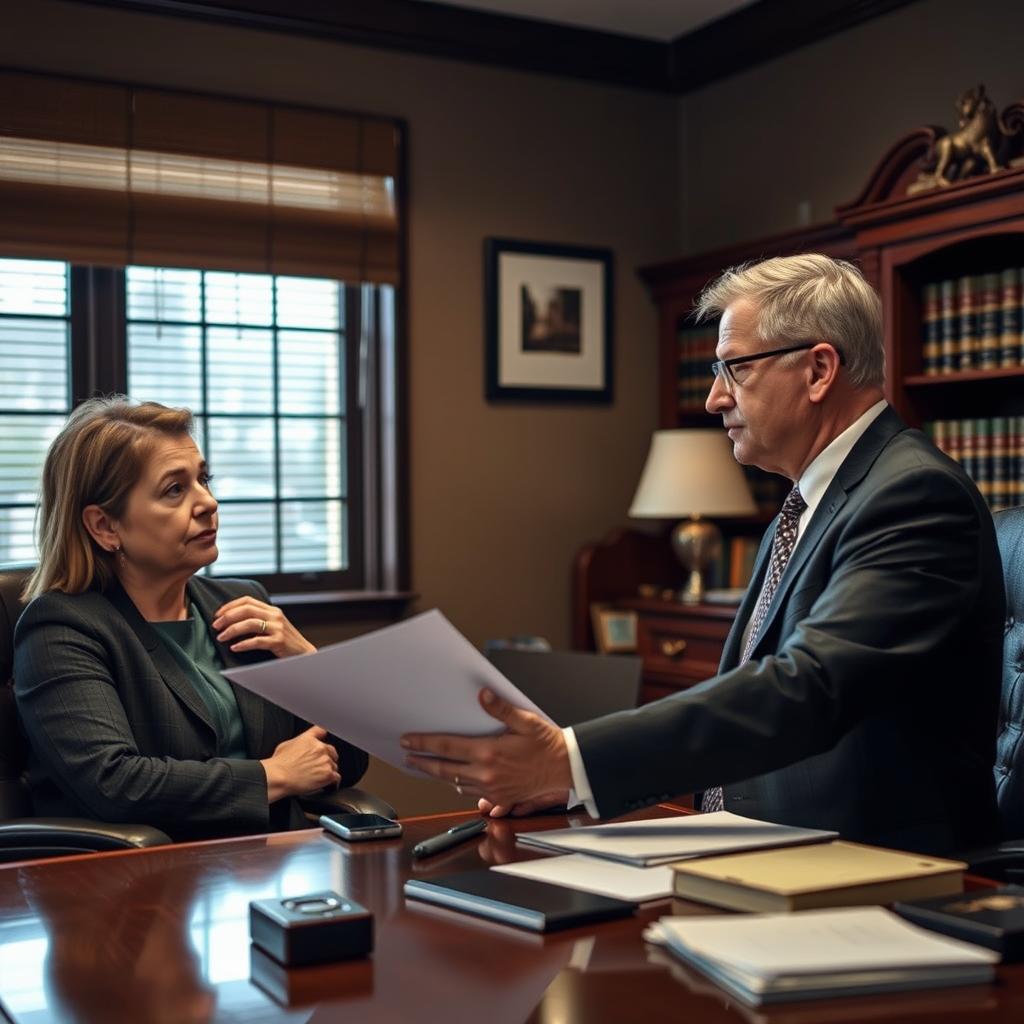
How long does a DUI case take in Onondaga County
A DUI charge in Onondaga County, New York, raises many immediate concerns, and one common question is: how long will this process take? The answer is not a single number—each case follows its own path through the court system. Generally, a first-offense DWI (Driving While Intoxicated) or DWAI (Driving While Ability Impaired) matter can take several months from arrest to resolution, but the timeline is affected by the specific court, the complexity of the case, and whether negotiations lead to a plea agreement or the case proceeds to trial. In Onondaga County, DWI cases typically begin in the Syracuse City Court for misdemeanors or the Onondaga County Court for felonies, with related traffic infractions sometimes addressed in the Onondaga County Supreme Court. Factors such as the court’s calendar, the availability of evidence, and the need for experienced attorney review can extend the process. Mr. Sris and the firm’s Of Counsel attorneys understand the local courts and work to move cases forward efficiently, but no outcome is past results do not guarantee a similar outcome. To discuss your specific situation, reach Law Offices Of SRIS, P.C. at (888) 437-7747. Law Offices Of SRIS, P.C. – Advocacy Without Borders.
Understanding DUI Case Timelines in Onondaga County
Every DUI case in Onondaga County follows a general procedural path, but the length of each step varies. After an arrest for DWI under New York Vehicle and Traffic Law (VTL) § 1192, the driver is typically processed and issued an appearance ticket, with a first court date set for several weeks later. At the arraignment, the charges are formally presented, and the court may address issues of bail or release, as well as the status of the defendant’s driver’s license. From there, the case moves through a series of pre-trial conferences and motion hearings. The pace of these proceedings depends heavily on the court’s calendar and the scope of discovery. In Onondaga County, both the Syracuse City Court and the Onondaga County Court handle DWI matters, and each may have different scheduling practices. Cases that resolve through a negotiated plea agreement may conclude in a shorter time frame, while those that go to trial can take significantly longer. Additionally, if a driver refused a breath test, the matter may include a separate administrative license suspension hearing within a statutorily defined period, which can run parallel to the criminal case and influence the overall timeline.
Frequently Asked Questions
How long does a first-offense DWI case take in Onondaga County?
A first-offense DWI case in Onondaga County can take several months from arrest to resolution, with most matters concluding in under a year. The timeline depends on court scheduling, whether the case is resolved by plea or trial, and any pre-trial motions. Misdemeanor cases in Syracuse City Court often move faster than felony cases in Onondaga County Court. Additional delays can occur if expert testimony, accident reconstruction, or medical records are involved. The administrative license suspension from a refusal may be decided within a statutory time frame, separate from the criminal case. An experienced attorney can help manage these multiple tracks.
What factors influence the timeline of a DUI case in Syracuse City Court?
Several factors affect how long a DUI case takes in Syracuse City Court, including the complexity of the evidence, the need for pretrial motions, and the court’s docket. Cases involving breath test challenges, disputed field sobriety tests, or driver-license suspension hearings require additional hearings and may extend the schedule. If the defense files suppression motions or requests scientific review of test results, the process will lengthen. Negotiations with the district attorney’s office can also affect timing; a plea offer may bring a faster resolution, while preparing for trial adds weeks or months. The court’s calendar is a significant variable—Syracuse City Court handles a high volume of cases, and scheduling can be unpredictable.
Does a DUI case go to trial in Onondaga County?
Not every DUI case in Onondaga County goes to trial; many are resolved through plea agreements before the trial stage. A trial becomes necessary when the defendant wishes to contest the charges or when the prosecution and defense cannot reach a negotiated resolution. Trials require selecting a jury, presenting witnesses, and cross-examining evidence, which can take days or even weeks. Preparation for trial often adds months to the overall timeline. Whether to go to trial is a strategic decision that depends on the specific facts of the case, the strength of the evidence, and the advice of counsel.
What are the penalties for a DWI conviction in New York?
Penalties for a DWI conviction in New York vary depending on whether it is classified as a DWI, Aggravated DWI, or DWAI, and whether the offender has prior convictions. Under NY VTL § 1192, a first-offense misdemeanor DWI typically results in fines, a driver’s license revocation of at least six months, and possible incarceration. Aggravated DWI (BAC of 0.18% or higher) carries steeper consequences, while a DWAI (Driving While Ability Impaired) is a traffic infraction with lesser penalties. A second DWI within ten years is a felony, with mandatory jail time and longer license revocation. The court may also require the installation of an ignition interlock device and participation in a drinking driver program. These penalties can have lasting effects beyond the immediate sentence.
What is the difference between DWI and DWAI in New York?
In New York, DWI (Driving While Intoxicated) and DWAI (Driving While Ability Impaired) differ primarily in the level of intoxication proven and the severity of penalties. A DWI charge requires proof that the driver operated a vehicle with a blood alcohol concentration (BAC) of 0.08% or more, or that the driver’s ability was impaired by alcohol or drugs to such a degree that the driver could not safely operate the vehicle. A DWAI charge, on the other hand, requires a showing that the driver’s ability was impaired “to any extent” by alcohol. DWAI is a traffic infraction, while a first-offense DWI is a misdemeanor. The distinction can affect license consequences and potential jail time, making accurate classification important.
How soon after a DWI arrest must I appear in court in Onondaga County?
After a DWI arrest in Onondaga County, you will typically be given a date to appear in court within a few weeks. The specific date appears on the appearance ticket issued at the time of release. This first appearance, called an arraignment, is where you are formally advised of the charges. If you do not appear, a warrant may be issued for your arrest. It is important to contact an attorney before your scheduled court date so that counsel can be present and address any immediate license-suspension issues. An attorney can also begin to evaluate the evidence and advise on next steps well ahead of the arraignment.
Can I get a DWI charge reduced in Onondaga County?
It may be possible to negotiate a reduction of a DWI charge to a lesser offense in Onondaga County, depending on the facts of the case and the available evidence. Common reductions include a DWI being amended to a DWAI (a non-criminal traffic infraction) or a refusal allegation being withdrawn in exchange for a plea. The likelihood of a reduction depends on factors such as the accuracy of the breath test, the legality of the traffic stop, the driver’s prior record, and the overall strength of the prosecution’s case. A defense attorney can evaluate these factors and negotiate with the district attorney. Reductions are not past results do not guarantee a similar outcome and the court must approve any negotiated plea.
Do I need a lawyer for a DUI in Onondaga County?
You are not legally required to have a lawyer for a DUI case in Onondaga County, but representation can help protect your rights and navigate the legal process. DWI charges carry serious consequences, including a criminal record, license loss, and possible incarceration. An attorney can identify procedural errors, challenge evidence, and negotiate with the prosecution. In Onondaga County, the courts and procedures can be unfamiliar to someone without legal training. Mr. Sris and his Of Counsel handle all aspects of DUI defense and can advise on the trusted course of action for your situation. For a consultation, reach Law Offices Of SRIS, P.C. at (888) 437-7747.
How does a refusal to submit to a breath test affect the case timeline in Onondaga County?
Refusing a breath test in New York triggers an administrative license suspension that proceeds independently of the criminal case and can affect the overall timeline. After a refusal, the driver is entitled to a hearing at the Department of Motor Vehicles within a legally specified time frame. This hearing determines whether the driver’s license will be suspended for refusal. The criminal DWI case continues meanwhile, with the refusal sometimes used as evidence of consciousness of guilt. Managing both tracks requires careful coordination, and an experienced attorney can seek to consolidate issues or negotiate a resolution that addresses both the criminal charge and the administrative suspension. The dual-track process can add time to the overall matter.
What should I do if I am pulled over for suspected DWI in Onondaga County?
If you are pulled over for suspected DWI in Onondaga County, remain calm, provide your license and registration, and avoid admitting to anything. You are not obligated to answer questions about where you have been or whether you have been drinking. You may politely decline to perform field sobriety tests, which are voluntary. If an officer asks you to take a breath test at the station, the decision to refuse or consent can have immediate license consequences; you may wish to consult with an attorney before making a decision. After the stop, an attorney can examine the legality of the stop and the evidence gathered. Prompt legal advice can be crucial.
About Mr. Sris and the Firm’s Of Counsel Attorneys
Mr. Sris, Owner and Founder of Law Offices Of SRIS, P.C., is a former prosecutor who founded the firm in 1997. He is admitted to practice in New York, Virginia, Maryland, the District of Columbia, and New Jersey. Mr. Sris testified before the Virginia House Courts of Justice Committee in support of 2019 HB 635 (chief patron Del. David Bulova). Alongside him, the firm’s Of Counsel attorneys bring diverse legal backgrounds, including prior prosecutorial experience, to the representation. Mr. Sris and his Of Counsel bring extensive combined legal experience. Results may vary. For a consultation, reach Law Offices Of SRIS, P.C. at (888) 437-7747.
Related pages: New York Traffic Lawyer | Nassau County Traffic Lawyer | Suffolk County Traffic Lawyer | New York County Traffic Lawyer | Queens County Traffic Lawyer
Primary authority: New York State Courts | NY VTL § 1192 (DWI/DWAI)
Attorney advertising. Prior results do not guarantee a similar outcome.
Case results depend on a variety of factors unique to each case.
Results may vary.