
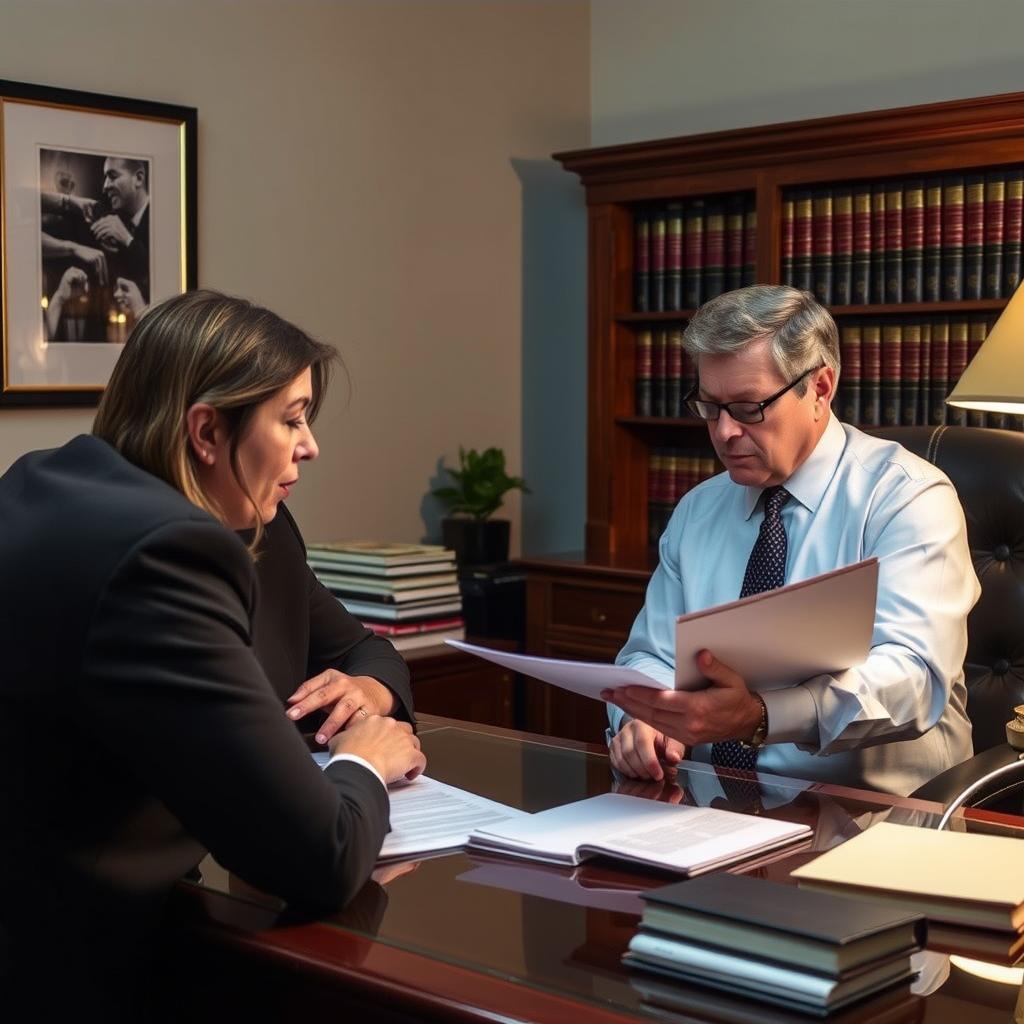
Can a DUI be dismissed in Dutchess County
A DUI charge in Dutchess County can be dismissed, but dismissal is not automatic. Under New York Vehicle and Traffic Law § 1192, a driver is charged with DUI for operating a vehicle with a blood alcohol concentration of 0.08% or higher, or while impaired by alcohol or drugs. Dismissal may occur when the prosecution cannot prove the charge beyond a reasonable doubt — for example, where the traffic stop was unlawful, the breath test was improperly administered, or the evidence of impairment is legally insufficient. Law Offices Of SRIS, P.C. represents individuals facing DUI allegations in Dutchess County and across New York. To discuss your case, reach our firm at (888) 437-7747.
Understanding the possibility of a DUI dismissal
A DUI case in Dutchess County is typically heard in a local justice court, such as a town or village court, or in Dutchess County Court if the charge is a felony. Whether a DUI can be dismissed depends on the specific facts and the legal arguments available to the defense. Dismissals are not routine, but they are achievable when the evidence against you is flawed.
Common grounds for dismissal include a lack of reasonable suspicion for the traffic stop, a failure to administer field sobriety tests in accordance with established protocols, or a violation of your right to counsel. Motions to suppress evidence — challenging the stop, the arrest, or the chemical test results — are often the path to a dismissal. An experienced defense attorney can identify these issues early and argue them actively before the court. Because every case is unique, a thorough review of the police reports, video footage, and test records is essential.
Frequently Asked Questions
Can a DUI charge really be dropped in Dutchess County?
Yes, a DUI charge in Dutchess County can be dropped if the prosecutor determines there is not enough evidence to prove the case or a judge grants a motion to dismiss. The district attorney may agree to reduce or dismiss the charge after defense counsel presents exculpatory evidence, such as a flawed breath test or an unconstitutional stop. A judge can also dismiss at a pretrial hearing if the evidence is suppressed. Results depend on the circumstances; an experienced attorney can evaluate your options.
What are common grounds for dismissing a DUI in New York?
Dismissal may be based on an illegal stop, an invalid arrest, unreliable chemical test results, or a violation of the defendant’s constitutional rights. For instance, if the officer lacked reasonable suspicion to pull you over, the stop is invalid and all evidence obtained afterward may be suppressed. Similarly, a breathalyzer test that was not administered according to New York State Department of Health regulations can be challenged. Each case requires careful fact-specific analysis.
How does an attorney challenge a DUI arrest in Dutchess County?
An attorney examines the arrest procedures, the traffic stop justification, and the administration of field sobriety and chemical tests for legal errors. Filing a motion to suppress is a primary tool. This can target the stop, the arrest, or the breath test result. If successful, the key evidence is excluded, often leaving the prosecution without enough to prove its case, experienced to dismissal. A thorough cross-examination of the arresting officer is also critical.
Is a first-offense DUI always a misdemeanor in Dutchess County?
A first-offense DUI under VTL § 1192(2) or (3) is a misdemeanor, while a driving-while-impaired (DWAI) under § 1192(1) is a traffic infraction. A misdemeanor DUI carries criminal penalties, including the possibility of jail time, a fine, and a driver’s license revocation. Even as a misdemeanor, a dismissal is possible if the evidence or procedure is legally insufficient. An attorney can work to have the charge reduced or dismissed.
What happens if my DUI case goes to trial in Dutchess County?
If a DUI case goes to trial, the prosecution must prove each element of the offense beyond a reasonable doubt before a judge or jury. The defense will challenge the credibility and reliability of the state’s evidence, cross-examine witnesses, and present its own when appropriate. The trial judge or jury then decides guilt. A verdict of not guilty results in an outright dismissal of the charge.
Can a breathalyzer test result be challenged in Dutchess County?
Yes, breath test results can be challenged on several grounds, including improper calibration, failure to observe a pre-test deprivation period, or medical conditions affecting the result. The instrument must be maintained per state regulations, and the operator must follow strict protocols. If the defense can demonstrate that testing procedures were not followed, the result may be excluded, weakening or eliminating the prosecution’s case.
How long does a DUI case typically last in Dutchess County?
The timeline for a DUI case in Dutchess County varies depending on the court’s calendar, the complexity of the issues, and whether motions are filed. A straightforward first-offense case that resolves without trial may conclude in a few months, while a contested case with pretrial litigation can take significantly longer. The specific court — justice court or county court — also influences the schedule.
What should I do if I am charged with DUI in Dutchess County?
If you are charged with DUI, immediately ask to speak with an attorney and avoid discussing the facts of your case with anyone except your lawyer. Preserve any evidence, including the location of the stop, the names of witnesses, and any photographs or video. Contact an experienced DUI defense attorney as soon as possible to protect your rights and begin building your defense.
Do I need a lawyer for a DUI in Dutchess County?
You are not required to hire a lawyer, but a DUI conviction carries serious consequences — including a criminal record, license revocation, fines, and possible jail time — making experienced legal representation essential. An attorney can identify constitutional or procedural errors that can lead to dismissal, negotiate with the prosecutor, and guide you through the court process. Even if you feel the evidence against you is strong, a lawyer can often achieve a better outcome than you could on your own.
About Mr. Sris and the Firm’s Of Counsel Attorneys
Mr. Sris, Owner and Founder of Law Offices Of SRIS, P.C., is a former prosecutor who has practiced criminal defense since 1997. He is admitted to the bars of Virginia, Maryland, the District of Columbia, New Jersey, and New York, and has handled DUI cases across multiple jurisdictions. The firm’s Of Counsel attorneys bring additional trial experience to DUI defense. Together, Mr. Sris and the firm’s Of Counsel attorneys draw on extensive combined legal experience to challenge the evidence in DUI prosecutions. From the firm’s New York location, they represent clients in Dutchess County. For a consultation, call (888) 437-7747.
Related: New York County DUI lawyer | Kings County DUI lawyer | Westchester County DUI lawyer
Attorney advertising. Prior results do not guarantee a similar outcome.
Case results depend on a variety of factors unique to each case.
Results may vary.