
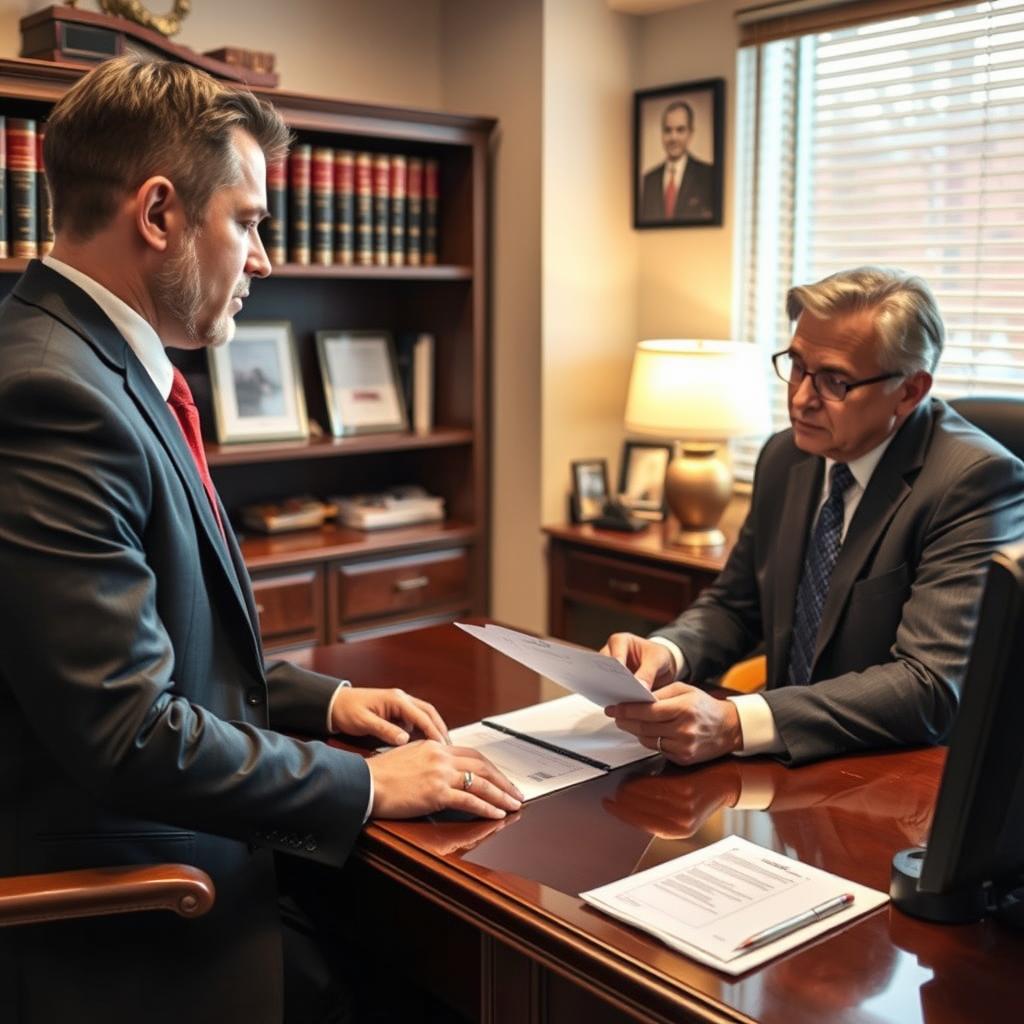
Can I get a restricted license after a DUI in Bronx
In New York, a driver convicted of DWI (Driving While Intoxicated) may be eligible for a restricted license—known as a conditional license—after a mandatory revocation period and upon enrollment in the New York State Impaired Driver Program (IDP). The conditional license permits driving to and from work, school, medical appointments, and other essential activities during the suspension or revocation. A DWI arrest can disrupt your life; you may worry about getting to work, picking up your children, or attending essential obligations. New York law provides a path to a restricted driving privilege once certain statutory prerequisites are met. This page explains how the conditional license process works in the Bronx area, what you need to do to apply, and how our firm can assist in your case. For guidance on your specific situation, reach Law Offices Of SRIS, P.C. at (888) 437-7747. Law Offices Of SRIS, P.C. – Advocacy Without Borders.
What you need to know about conditional licenses after a DWI in the Bronx
A DWI conviction or an administrative license suspension following a chemical-test refusal triggers a mandatory revocation of your New York driving privileges. To obtain a conditional license, you must first enroll in the New York State Impaired Driver Program—formerly the Drinking Driver Program—through a DMV-approved provider. After your enrollment is processed, the DMV may issue you a conditional license that remains valid for the remainder of your suspension or revocation, subject to certain restrictions.
The conditional license restricts where and when you may drive. Permitted uses generally include travel to and from your place of employment, school, medical appointments, and the IDP sessions themselves. Driving for recreational or social purposes is not permitted. If you refused a chemical test at the time of your arrest, your suspension period is longer, and you may not be eligible for a conditional license until a substantial portion of that period has elapsed. Failure to comply with the IDP requirements or driving outside the permitted scope can result in further sanctions, including the revocation of the conditional license and additional charges.
The eligibility rules are fact-specific. Because every DWI case involves unique circumstances—including your prior driving record, the specific charge, and whether you submitted to a chemical test—the trusted course is to discuss your situation with a qualified attorney. Mr. Sris and the firm’s Of Counsel attorneys represent clients in Bronx County and throughout New York City in DWI matters and the associated driver’s license consequences.
Frequently Asked Questions
What are the requirements for a conditional license after a DWI in New York?
You generally must enroll in the New York State Impaired Driver Program and serve the mandatory minimum suspension or revocation period. The DMV then determines whether you qualify for a conditional license, which permits limited driving for work, school, medical, and program-related purposes. Eligibility hinges on the offense, your driving record, and whether you refused a chemical test.
Can I get a conditional license if I refused a breath test?
Refusing a breath test triggers a longer administrative suspension. Under New York law, you may eventually become eligible for a conditional license, but a substantial portion of the suspension must first be served. Before that time, driving is prohibited. Speaking with an attorney immediately after a refusal arrest can help you understand your options.
How long does a DWI license revocation last in New York?
The length of the revocation depends on the specific offense and your prior record. A first-offense DWI results in a mandatory revocation; repeat offenses and aggravated DWI carry longer periods. The statutory minimums apply, but the actual duration can vary. An experienced defense lawyer can explain the range you face and what strategies may reduce consequences.
Is the New York State Impaired Driver Program mandatory?
Yes. Enrollment in the IDP is a prerequisite for obtaining a conditional license after a DWI conviction. The program involves a series of educational sessions and must be completed through an approved provider. Failure to attend or complete the program can lead to the loss of your conditional driving privilege.
Can I drive anywhere with a conditional license?
No. A conditional license permits driving only for specifically approved purposes, such as commuting to and from work, attending school, keeping medical appointments, and traveling to and from IDP sessions. Driving for any other reason—including errands or personal trips—is a violation and can lead to your license being revoked again.
What happens if I drive without a conditional license?
Driving during a suspension or revocation without a valid conditional license is a serious offense in New York. You may face charges for Aggravated Unlicensed Operation, which can be a misdemeanor or even a felony, depending on the circumstances. It is never advisable to drive while your license is suspended; contact a lawyer if you face this situation.
How does a DWI conviction affect my insurance?
A DWI conviction will likely cause your auto insurance premiums to increase significantly. Insurance carriers view a DWI as a high-risk factor, and in many cases they may decline to renew your policy. Once you regain your driving privileges, you may need to obtain high-risk insurance. Discussing the long-term financial implications with your attorney is wise.
Can I fight the DWI charge instead of accepting a conviction?
Yes. You have the right to defend against the DWI allegation. A successful defense—whether through a trial, a negotiated plea to a lesser charge, or a dismissal—may avoid the mandatory revocation and obviate the need for a conditional license altogether. Mr. Sris and the firm’s Of Counsel attorneys evaluate every case for legal and factual defenses.
What if I am an out-of-state driver facing a DWI in the Bronx?
If you hold an out-of-state license and are arrested for DWI in the Bronx, New York will process the suspension through its DMV and report the outcome to your home state under the Interstate Driver License Compact. Your home state will likely impose its own suspension or revocation. You should contact an attorney familiar with multi-jurisdictional traffic matters right away.
How can an attorney help me obtain a conditional license?
An experienced DWI attorney can help you navigate the DMV requirements, ensure that your enrollment in the Impaired Driver Program is timely, and advise you on how to maintain compliance with the conditional license restrictions. If there are grounds to challenge the underlying suspension, counsel can pursue those avenues on your behalf. For a consultation, reach Law Offices Of SRIS, P.C. at (888) 437-7747.
About Mr. Sris and the Firm’s Of Counsel Attorneys
Mr. Sris, Owner and Founder of Law Offices Of SRIS, P.C., established the firm in 1997. A former prosecutor, he concentrates his practice on criminal defense and DWI matters. He is admitted in New York, Virginia, Maryland, the District of Columbia, and New Jersey. Mr. Sris and the firm’s Of Counsel attorneys bring extensive combined legal experience to every case. The firm represents clients facing DWI charges in the Bronx and throughout the New York City metropolitan area, handling both the criminal case and the related administrative license-suspension proceedings. Results may vary. For a consultation, call (888) 437-7747.
Attorney advertising. Prior results do not guarantee a similar outcome. Case results depend on a variety of factors unique to each case. Results may vary.