
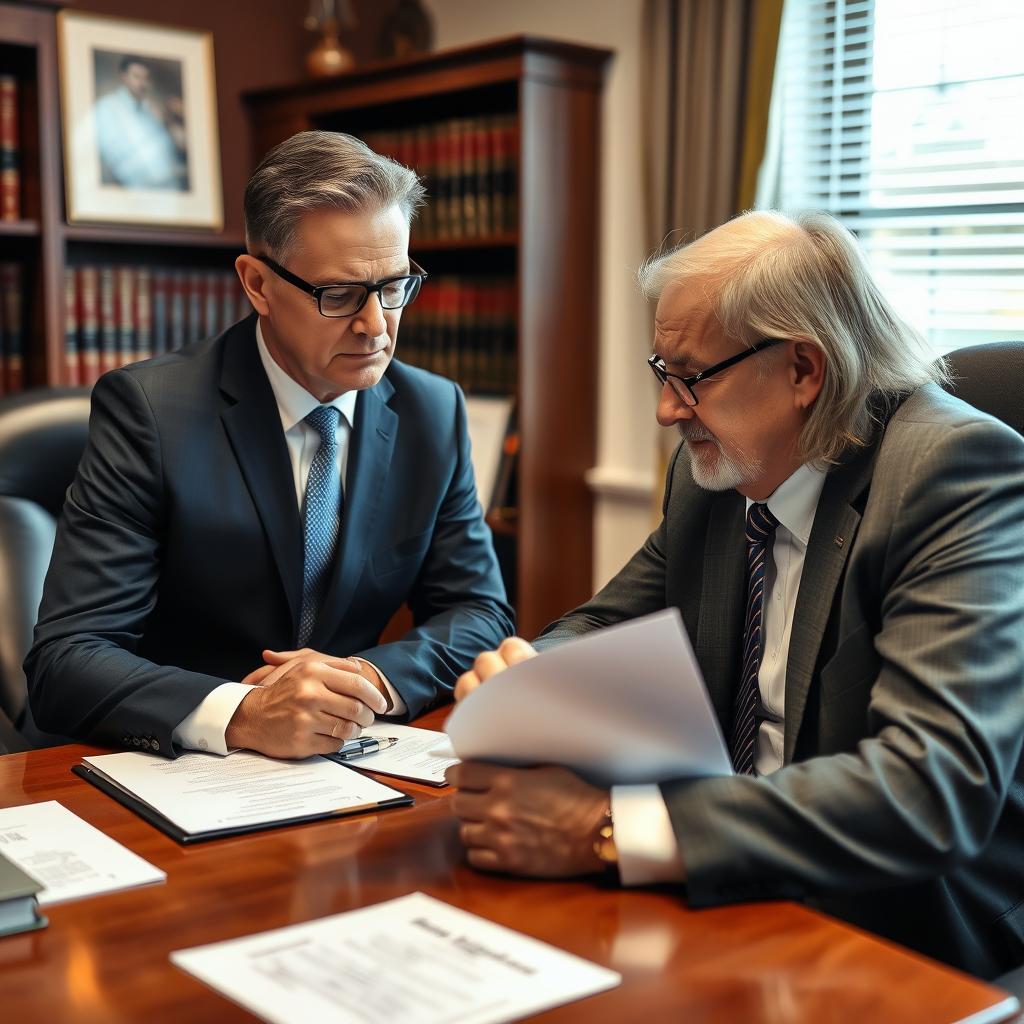
Divorce Lawyer Fairfax
When a marriage reaches its end, the legal process demands careful attention to asset division, spousal support, child custody, and the emotional realities families face. Mr. Sris and his Of Counsel at Law Offices Of SRIS, P.C. represent clients in Fairfax County and throughout Northern Virginia, guiding individuals through the divorce process with a focus on thorough preparation and a clear understanding of Virginia’s legal framework. Reach our location at (888) 437-7747 to request a consultation. Law Offices Of SRIS, P.C. – Advocacy Without Borders.
What Divorce Means in Fairfax
Divorce in Fairfax County proceeds in the Fairfax County Circuit Court, which holds jurisdiction over all dissolution actions within the county. The court adjudicates equitable distribution of marital property, determines spousal support, and addresses custody and visitation when minor children are involved. Because Fairfax County is one of the most populous and demographically varied jurisdictions in Virginia, the court’s docket reflects a wide range of financial and personal circumstances, from modest estates to high‑net‑worth marital property. Mr. Sris and his Of Counsel understand the procedural expectations of the Fairfax County Circuit Court and work to present each client’s position with clarity.
Virginia law recognizes both fault‑based and no‑fault divorce grounds. A no‑fault divorce may be sought when the parties have lived separate and apart without cohabitation for the period set by statute, provided the separation is continuous. Fault‑based grounds, such as adultery or cruelty, remain available and can affect the division of property and support awards. The procedural steps—filing a Complaint, service on the opposing party, discovery, temporary relief hearings if needed, and ultimately a final hearing—all require strict adherence to the Virginia Rules of the Supreme Court and local circuit‑court practice. Mr. Sris and his Of Counsel appear regularly in Fairfax County Circuit Court and are familiar with the local procedural preferences that can influence case management.
How Mr. Sris and His Of Counsel Handle Divorce Cases
Each divorce matter is unique, and the approach reflects the specific facts and goals of the client. At the outset, Mr. Sris and his Of Counsel gather information about the marriage’s duration, the assets and debts accumulated, income and earning capacity of each spouse, and the needs of any children. From this foundation, the team develops a strategy that may involve negotiation, mediation, or litigation before the Circuit Court. Virginia’s equitable‑distribution statute requires the court to consider a list of statutory factors—not a simple fifty‑fifty split—so the ability to present a compelling factual narrative can be decisive.
When issues of custody or visitation arise, the firm concentrates on the best interests of the child, a standard that guides all custody determinations in Virginia. Mr. Sris and his Of Counsel also handle related matters such as pendente lite motions for temporary support, protective‑order proceedings when domestic‑violence allegations intersect with the divorce, and post‑divorce modifications. Throughout, the firm’s attorneys work to keep the client informed about the process and prepared for each stage, from the initial pleading through trial if necessary.
About Mr. Sris and the Firm’s Of Counsel Attorneys
Mr. Sris, Owner and Founder of Law Offices Of SRIS, P.C., is a former prosecutor who concentrates his practice in family law and domestic‑relations matters. He is admitted to practice in Virginia, Maryland, the District of Columbia, New Jersey, and New York, and he has appeared in the Fairfax County Circuit Court in divorce and custody proceedings. Mr. Sris testified before the Virginia House Courts of Justice Committee in support of 2019 HB 635 (chief patron Del. David Bulova).
The firm’s Of Counsel attorneys are experienced litigators and counselors who work alongside Mr. Sris. Mr. Sris and the firm’s Of Counsel attorneys bring extensive combined legal experience to divorce and family‑law cases. Results may vary.
Frequently Asked Questions
What are the grounds for divorce in Virginia?
Virginia law permits both no‑fault and fault‑based divorces, with the availability of each ground dependent on the facts of the marriage. No‑fault divorce requires the spouses to live separately and apart without cohabitation for the applicable statutory period—either six months with a separation agreement and no minor children, or one year in the presence of minor children or absent a formal agreement. Fault‑based grounds include adultery, cruelty, desertion, and felony conviction. The choice of ground can affect property distribution, spousal support, and even the timeline of the case.
Do I need a lawyer for a divorce in Fairfax?
There is no legal requirement to hire an attorney, but navigating the Fairfax County Circuit Court’s procedural and evidentiary demands without counsel can be challenging. Divorce involves complex issues—equitable distribution, classification of separate and marital property, support calculations under Virginia’s statutory guidelines, and custody determinations under the trusted‑interests‑of‑the‑child standard. An attorney can identify relevant legal arguments, gather and present evidence, and negotiate terms that meet the client’s objectives. Reaching a fair resolution often benefits from experienced representation.
How does the Fairfax County Circuit Court handle divorce scheduling?
The court sets hearings based on its own calendar, and the timeline depends on the complexity of the issues and the availability of the assigned judge. After a Complaint is filed and served, the parties engage in discovery and may attend a scheduling conference. Cases that are uncontested or that settle before trial can move more quickly, while contested cases requiring evidentiary hearings or multiple motions can extend over several months. Mr. Sris and his Of Counsel can provide an estimate of the likely timeline after learning the particulars of your case.
What is equitable distribution, and how does it work in Virginia?
Equitable distribution is a court‑ordered division of marital property that is fair, though not necessarily equal, based on statutory factors. The judge considers each spouse’s contributions to the marriage, both monetary and non‑monetary, the duration of the marriage, the tax consequences of any division, and other factors enumerated in the Virginia Code. Separate property—assets owned before the marriage or acquired by gift or inheritance—generally remains with the owning spouse, but the commingling of separate and marital funds can complicate the classification.
How are custody and visitation decided?
All custody and visitation determinations in Virginia are governed by the trusted‑interests‑of‑the‑child standard, which balances multiple statutory factors. The court examines the child’s relationships with each parent, the parents’ ability to cooperate and support the child’s relationship with the other parent, the child’s age and health, and any history of domestic abuse. Judges in Fairfax County may also consider the child’s preference if the child is of sufficient maturity. Custody can be joint or sole, and visitation schedules are tailored to the family’s circumstances.
Can spousal support be modified after the divorce is final?
Spousal support may be modified if there has been a material change in circumstances since the date of the last support order. A change in either party’s income, a job loss, or a serious health condition could justify modification. Virginia allows the parties to agree in advance that support is non‑modifiable, but absent such an agreement, the court retains jurisdiction to adjust the award. Because the burden of proof rests on the moving party, a detailed showing of the changed circumstances is essential.
Outbound primary‑source authority: Virginia Code Title 20 — Domestic Relations | Fairfax County Circuit Court
Attorney advertising. Prior results do not guarantee a similar outcome.
Results may vary.
Case results depend on a variety of factors unique to each case.