
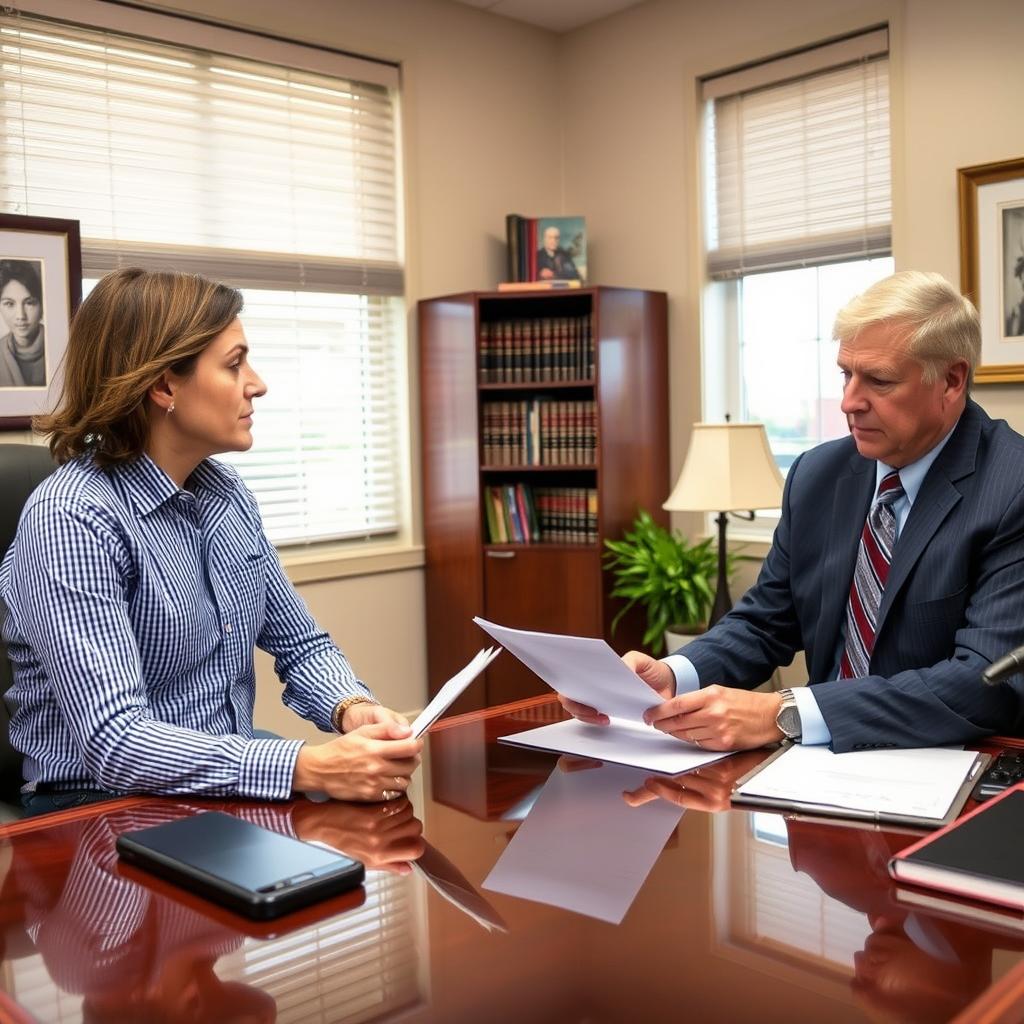
Can I get a restricted license after a DUI in Livingston County
Yes, you may be eligible for a restricted or conditional license after a DUI arrest or suspension in Livingston County, but eligibility is not automatic. New York law provides mechanisms for certain drivers to obtain limited driving privileges—often called a conditional license—while a DUI case is pending or after a suspension takes effect. Whether a restricted license is available depends on factors such as prior offenses, the specific DUI charge, and whether you meet New York DMV requirements. An experienced DUI attorney can evaluate your situation and advocate for your driving needs. To discuss your case, reach Law Offices Of SRIS, P.C. at (888) 437-7747. Law Offices Of SRIS, P.C. – Advocacy Without Borders.
Navigating Restricted License Eligibility in Livingston County, New York
Livingston County DUI cases are generally heard in the local Justice Courts or, for felony matters, in the Livingston County Supreme Court. The court, not the DMV, often plays a role in determining whether a conditional license may be granted during the pendency of your case. Under New York’s DWI statute (NY VTL § 1192), a DUI charge triggers administrative license suspension through the DMV, but a conditional or hardship license may allow you to drive to work, school, medical appointments, and other essential activities if you meet statutory criteria.
Mr. Sris and his Of Counsel bring extensive combined legal experience to DUI and traffic matters. Results may vary. Our firm helps clients in Geneseo, Dansville, Mount Morris, Avon, and throughout Livingston County explore every option for retaining limited driving privileges. Because every situation is unique, we focus on building a comprehensive understanding of your circumstances and presenting the strong $1 to the court or DMV.
Frequently Asked Questions
Can I get a restricted license after a DUI in Livingston County?
Yes, you may be able to obtain a restricted license after a DUI in Livingston County, but eligibility depends on the specific charges, your driving history, and compliance with all DMV and court requirements. A restricted license—often referred to as a conditional license—allows limited driving for work, education, medical needs, and court-ordered programs. The DMV will review your case to determine if you meet the criteria for a conditional license, and the court may also impose its own conditions. Our firm can help you present the necessary documentation and advocate for your driving privileges.
What are the penalties for a DUI in Livingston County, New York?
DUI penalties in New York range from fines and license revocation to jail time, depending on the offense level and any prior convictions. A first-offense DWI (Driving While Intoxicated) under NY VTL § 1192 is a misdemeanor, with potential consequences including a mandatory surcharge, license revocation for a statutory period, and possible jail of up to one year. Aggravated DWI (BAC of 0.18% or higher) carries enhanced penalties, and a second or subsequent offense within ten years is a felony. Convictions also impose a Driver Responsibility Assessment fee payable to the DMV.
How do I apply for a restricted license after a DUI in New York?
You generally apply for a conditional license directly through the New York DMV after your license has been suspended or revoked, provided you meet the eligibility criteria. The process requires filing an application, providing proof of enrollment in the New York Impaired Driver Program (IDP) if applicable, and paying any required fees. The DMV may request additional documentation from the court or your attorney. Our firm can assist you in gathering the necessary paperwork and navigating the application process to seek a favorable outcome.
What is the difference between DWI and DWAI in New York?
DWI (Driving While Intoxicated) requires impairment by alcohol, while DWAI (Driving While Ability Impaired) covers impairment by alcohol to a lesser extent or by drugs. DWI is a criminal misdemeanor under NY VTL § 1192 with potential jail time, whereas DWAI-Drugs is also a misdemeanor, but DWAI-Alcohol (first offense) is a traffic infraction, not a crime. The distinction can significantly affect license suspension periods and eligibility for restricted driving privileges. A knowledgeable attorney can help you understand how the charge classification impacts your license.
Can a lawyer help me get a restricted license in Livingston County?
Yes, an experienced DUI attorney can help you pursue a restricted license by representing you in court and before the DMV. A lawyer can negotiate with prosecutors, present mitigating factors, and ensure that all procedural requirements are met. At Law Offices Of SRIS, P.C., Mr. Sris and his Of Counsel handle DUI matters throughout New York and work to protect clients’ driving privileges to the fullest extent possible under the law. To speak with us about your case, call (888) 437-7747.
What happens if I drive without a license after a DUI in New York?
Driving with a suspended or revoked license after a DUI is a criminal offense in New York and can result in additional charges, fines, and jail time. Under the New York Vehicle and Traffic Law, Aggravated Unlicensed Operation (AUO) ranges from a misdemeanor to a felony depending on the circumstances. A new conviction can extend your suspension, increase penalties, and jeopardize your ability to obtain a restricted license in the future. If you face this situation, contact a lawyer immediately.
How long will my license be suspended after a DUI in Livingston County?
The duration of a license suspension after a DUI depends on the specific offense, your prior record, and whether you refused a chemical test. A first‑offense DWI conviction usually results in a mandatory revocation period set by statute, while a refusal finding triggers a separate administrative suspension. The actual suspension period may be reduced if you participate in certain programs or comply with court‑ordered conditions. For specific guidance, consult our firm to discuss how the law applies to your case.
What should I do if I am arrested for DUI in Livingston County?
If you are arrested for DUI in Livingston County, request to speak with an attorney as soon as possible and avoid making any statements to law enforcement beyond providing identification and basic booking information. Prompt action can protect your license and your rights, including the deadline to request a DMV refusal hearing. Collect and preserve any paperwork you receive, but do not discuss the facts of your case with anyone except your lawyer. A timely consultation with our firm can help you understand your options and contact us to request a consultation.
Are there any alternatives to a restricted license after a DUI?
Depending on your situation, alternatives to a restricted license may include applying for a conditional license, seeking a court‑ordered stay of suspension, or, in some cases, relying on a non‑driver identification card for non‑driving purposes. Each path has specific eligibility requirements and may require demonstrating hardship, enrollment in treatment programs, or other conditions. Our firm can help you evaluate which alternative best fits your circumstances and advocate on your behalf before the court or DMV. Results may vary. And outcomes depend on the unique facts of each case.
Should I fight a DUI charge in Livingston County?
Yes, you should strongly consider contesting a DUI charge because a conviction carries severe consequences beyond license suspension, including a criminal record, fines, increased insurance rates, and potential jail time. An attorney can examine the legality of the traffic stop, the accuracy of field sobriety or chemical tests, and any procedural violations. Even if the evidence appears strong, a skilled defense may lead to a reduction to a lesser offense, mitigating the impact on your license and future. Contact Law Offices Of SRIS, P.C. to discuss your defense.
How does the Livingston County court handle DUI cases?
Livingston County DUI cases are generally heard in the local Justice Courts for misdemeanors and in the Livingston County Supreme Court for felony matters. The court schedule, plea‑bargaining practices, and judicial discretion vary by jurisdiction. Our firm is familiar with appearing in Livingston County courts and can advise you on what to expect. The Livingston County Supreme Court is located at 2 Court Street, Geneseo, NY 14454, and operates during standard court hours. For an appointment to discuss your case, call (888) 437-7747.
About Mr. Sris and His Of Counsel Team
Mr. Sris, Owner and Founder of Law Offices Of SRIS, P.C., is a former prosecutor admitted in Virginia, Maryland, the District of Columbia, New Jersey, and New York. Mr. Sris and his Of Counsel bring extensive combined legal experience to DUI and traffic matters. Our firm represents individuals facing DUI charges throughout Livingston County, including in Geneseo, Dansville, Mount Morris, Avon, and surrounding communities. For a consultation, contact us at (888) 437-7747.
Our Traffic Defense Services Across New York
- Traffic defense in New York County (Manhattan)
- Traffic defense in Kings County (Brooklyn)
- Traffic defense in Queens County
Official Resources
For more information on driver license suspensions and conditional licenses after a DUI, you may visit the New York State DMV website. Court‑related inquiries can be directed to the New York State Courts portal, which includes details on the Livingston County courts. The complete text of NY VTL § 1192 is available through the New York State Senate.
Attorney advertising. Prior results do not guarantee a similar outcome. Case results depend on a variety of factors unique to each case. Results may vary.