
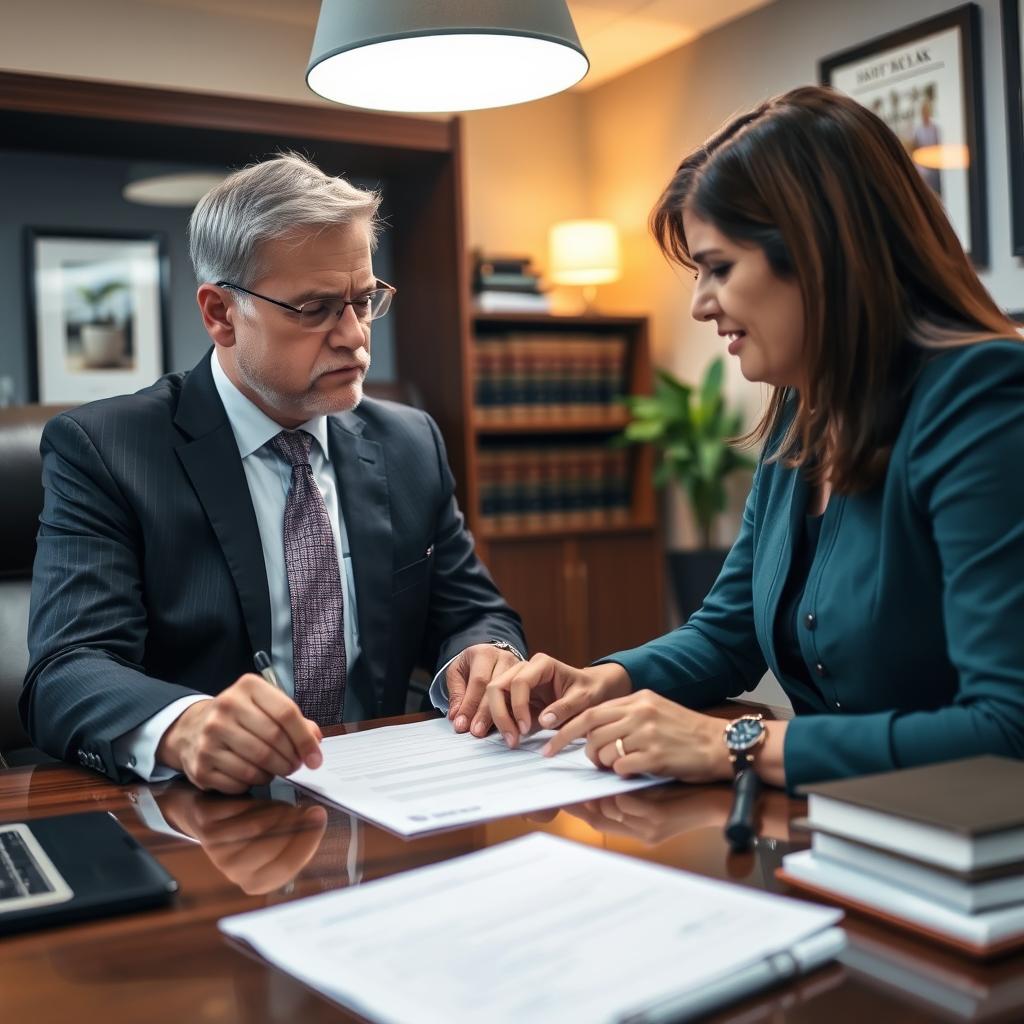
Can I get a restricted license after a DUI in Shenandoah
If you face a DUI charge in Shenandoah, you may be able to obtain a restricted license—sometimes called a hardship or limited driving privilege—so you can drive to work, school, medical appointments, or other essential obligations while your full driving privilege is suspended. The process involves petitioning the court, demonstrating your need, and satisfying specific legal requirements. The outcome depends on the facts of your case, including the number of prior offenses and whether you refused chemical testing. Shenandoah County General District Court hears initial DUI cases, and a driver may ask the court to consider a restricted license after a suspension takes effect. An experienced traffic lawyer can guide you through each step and present your petition to the judge. To discuss your situation and how Law Offices Of SRIS, P.C. can help, call (888) 437‑7747. Law Offices Of SRIS, P.C. – Advocacy Without Borders.
How a Restricted License Works After a DUI in Virginia
A restricted operator’s license in Virginia allows a driver whose full license has been suspended following a DUI to drive for limited purposes. The court, not the Virginia Department of Motor Vehicles, issues the order granting the restricted privilege. To qualify, you must show a genuine need—typically commuting to work, attending school, receiving medical care, or transporting a family member for those reasons—and that no adequate alternative transportation exists. The judge also considers the circumstances of the offense, your driving record, and whether you have complied with Virginia Alcohol Safety Action Program (VASAP) referrals.
The exact requirements differ depending on whether the DUI is a first offense, a second offense, or a felony, and whether your license was suspended administratively for a breath‑test refusal or as part of a criminal sentence. Generally, you must submit a petition, often with supporting documentation such as an employment verification letter, a class schedule, or a doctor’s note. An ignition interlock device may be required as a condition of the restricted license. The court can also impose other restrictions, such as days or hours you may drive, and any violation of those terms can result in immediate revocation. Because the process is fact‑intensive and subject to judicial discretion, obtaining legal advice early is important.
Frequently Asked Questions
Can I get a restricted license after a DUI in Shenandoah?
Yes, many drivers in Shenandoah County can obtain a restricted license after a DUI suspension if they can show a compelling need to drive and meet the court’s conditions. The judge at Shenandoah County General District Court reviews each petition individually, weighing factors like your employment, health needs, family obligations, and compliance with any treatment programs. A restricted license is not automatic—you must file a formal petition and present evidence. An experienced DUI attorney can help you prepare that petition and advocate for the most favorable terms. Contact Law Offices Of SRIS, P.C. at (888) 437‑7747 to discuss your eligibility.
What is a restricted license in Virginia?
A restricted license, often called a hardship license, is a court‑ordered driving privilege that allows you to drive for specific purposes—such as work, school, or medical care—while your full driver’s license is suspended after a DUI. The court issues the order, not the DMV. The privilege is limited: you can only travel at designated times and on designated routes. Violating the restrictions can lead to immediate revocation and additional charges. The order remains in effect until your full driving privileges are restored or the suspension period ends. An attorney can explain the scope of the restriction and help you comply with all court‑imposed conditions.
How do I apply for a restricted license after a DUI in Shenandoah County?
The application process starts by filing a petition with the Shenandoah County General District Court, the same court that handles your DUI case. You must include evidence of your need—such as a letter from your employer, a school enrollment document, or a medical statement—and demonstrate that public transportation or other alternatives are not feasible. You may also be required to install an ignition interlock device before the judge will grant the restricted privilege. The court clerk can provide the necessary forms, but having a DUI attorney prepare the petition substantially increases the chance of a favorable outcome. For help, call (888) 437‑7747.
What are the requirements for a restricted license after a DUI conviction?
Requirements depend on the type of DUI offense and whether you refused a breath test, but generally you must show a clear need to drive, serve any mandatory minimum suspension period, and potentially install an ignition interlock device. For a first‑offense DUI, the court may consider a restricted license after a portion of the suspension has passed. For repeat offenses or felony DUI, eligibility may be more limited. Compliance with the Virginia Alcohol Safety Action Program (VASAP) is often a prerequisite. An attorney can review your record and advise on the specific conditions you will need to meet.
Can I get a restricted license for work, school, or medical needs?
Yes, the court can authorize a restricted license specifically for commuting to and from work, attending school or college classes, and traveling to medical appointments or treatment. Child‑care‑related transportation may also be allowed. You will need to present documentation proving the necessity—pay stubs, an employer’s schedule, a letter of enrollment, or a doctor’s note. The judge may also limit driving to certain hours and routes. If your schedule later changes, you must petition the court for a modification. Driving outside the permitted purposes can jeopardize the restricted privilege and lead to a driving‑on‑a‑suspended‑license charge.
Do I need an ignition interlock device for a restricted license?
In many Virginia DUI cases, the court will require installation of an ignition interlock device as a condition of granting a restricted license. The device prevents the vehicle from starting if alcohol is detected on your breath. The requirement typically applies to all restricted‑license petitions following an alcohol‑related DUI conviction, particularly for first‑offense cases with a high BAC or for repeat offenders. You must arrange installation with a state‑approved vendor and maintain the device during the entire restricted‑privilege period. An attorney can clarify whether an interlock requirement applies to your case and help you comply with the monitoring rules.
How long will my license be suspended after a DUI in Virginia?
The length of a DUI‑related suspension depends on factors such as the number of prior offenses, your blood alcohol concentration at the time of arrest, and whether you refused chemical testing. For a first‑offense DUI conviction, the suspension period may be shorter than for a second or subsequent offense. Administrative suspensions for a breath‑test refusal can overlap with the criminal suspension. Because the calculation is fact‑specific, discussing your precise situation with a lawyer is the most reliable way to determine the suspension duration you face. The firm’s attorneys can review your arrest report and explain the timeline.
Can I drive anywhere with a restricted license?
No; a restricted license only authorizes travel for the specific purposes and during the times the court has allowed. You may not use a restricted license for personal errands, leisure travel, or any activity outside the approved scope. The court‑ordered restrictions may specify days of the week, time windows, and geographic boundaries. If a law enforcement officer stops you outside the permitted parameters, you can be charged with driving on a suspended or revoked license. To avoid misunderstandings, keep a copy of the court order with you whenever you drive. An attorney can help ensure the order accurately reflects your needs.
What happens if I drive on a suspended license before getting a restricted license?
Driving on a suspended license before the court grants a restricted privilege is a separate criminal offense and can lead to additional jail time, fines, and an extended suspension. A conviction for driving on a suspended license may also diminish your chance of ever receiving a restricted license. If you are stopped while driving on a suspended license, you should exercise your right to remain silent and request to speak with an attorney. The firm’s DUI defense team can advise you on how to handle such a charge and can petition the court for a restricted license as soon as you are eligible.
Should I hire a lawyer for a restricted license hearing?
Yes, retaining an experienced DUI attorney significantly improves the likelihood of a successful restricted‑license petition. The process involves legal argument about your need, compliance with VASAP, interlock requirements, and the equities of your situation—all of which a lawyer can present persuasively. An attorney can also identify procedural errors in the underlying DUI case that might affect the suspension. The firm’s traffic defense lawyers regularly appear in Shenandoah County courts and understand the preferences of the local bench. To schedule a consultation about your restricted‑license options, call Law Offices Of SRIS, P.C. at (888) 437‑7747.
About Mr. Sris and the Firm’s Of Counsel Attorneys
Mr. Sris, Owner and Founder of Law Offices Of SRIS, P.C., is a former prosecutor who has practiced since 1997. He and the firm’s Of Counsel attorneys bring extensive combined legal experience to DUI and traffic defense matters in Shenandoah County and throughout Virginia. The firm concentrates on representing individuals facing license suspensions, DUI charges, and other serious traffic offenses. When you work with the firm, your case receives attention from attorneys who understand the procedures at Shenandoah County General District Court and the strategies that can lead to a favorable ruling on a restricted‑license petition. Results may vary.
Virginia DUI Law: Official Resources
For additional information, consult these primary sources:
Virginia Code § 18.2–266 (Driving While Intoxicated),
Shenandoah County General District Court,
Virginia Department of Motor Vehicles.
Attorney advertising. Prior results do not guarantee a similar outcome. Results may vary.
Case results depend on a variety of factors unique to each case.