
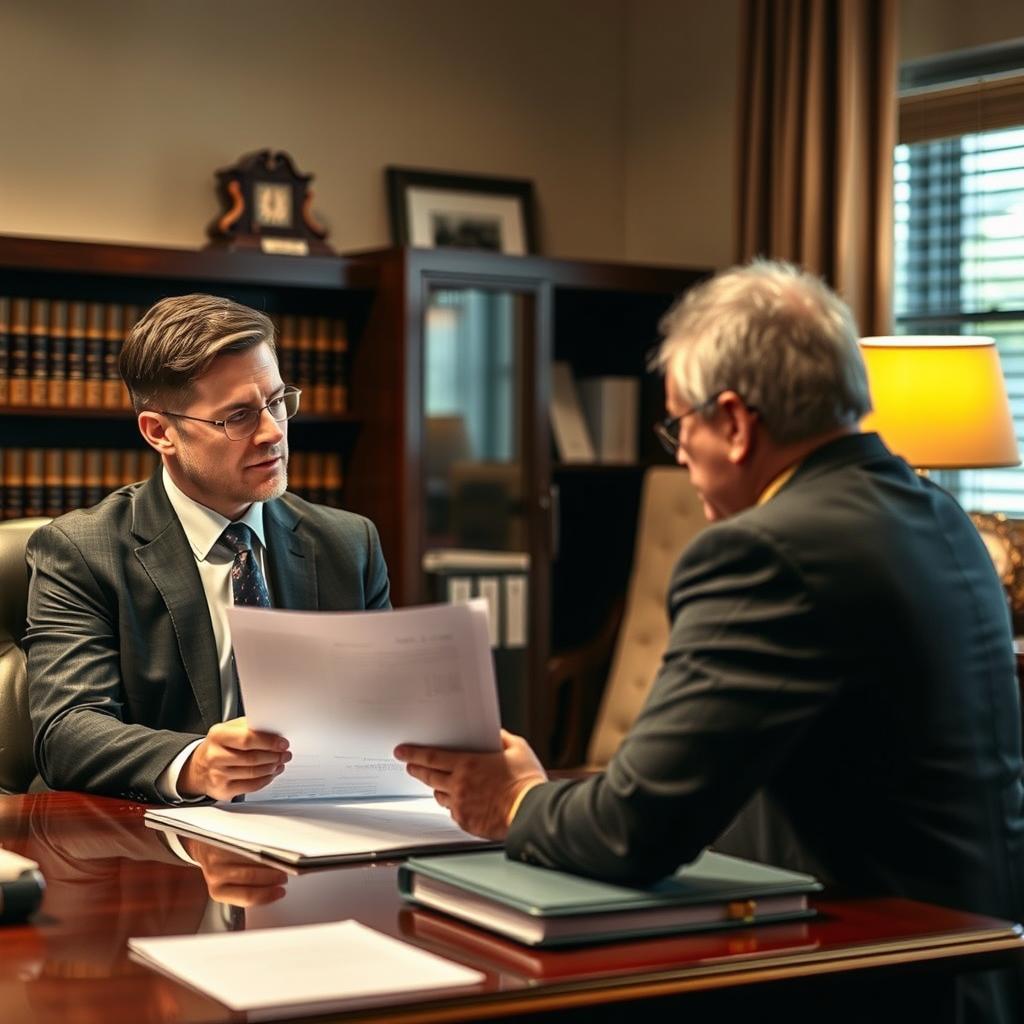
DWI Lawyer Niagara County, NY
If you are facing a DWI charge in Niagara County, New York, you need an attorney who understands the local court system and the serious consequences a conviction can bring. Law Offices Of SRIS, P.C. represents clients charged with driving while intoxicated in Lockport, Niagara Falls, North Tonawanda, and throughout the county. Mr. Sris, a former prosecutor, and his Of Counsel team are experienced in handling DWI cases under New York’s Vehicle and Traffic Law. We work to protect your driving privileges, challenge the evidence against you, and pursue favorable outcomes. For a consultation, call (888) 437-7747. Law Offices Of SRIS, P.C. – Advocacy Without Borders.
Understanding DWI Charges in Niagara County, New York
In New York, DWI – driving while intoxicated – is primarily governed by Vehicle and Traffic Law section 1192. The law defines several alcohol- and drug-related offenses, including driving with a blood alcohol concentration of .08 or higher (per se DWI), driving while actually impaired by alcohol (DWAI-Alcohol), driving while ability impaired by drugs (DWAI-Drugs), and aggravated DWI when BAC is .18 or higher. A first-time DWI is generally a misdemeanor, but prior convictions within ten years can elevate the charge to a felony. The court system in Niagara County includes the Niagara County Supreme Court for felony matters, as well as local city and town courts for misdemeanor and violation-level offenses. Because each court has its own procedures and personnel, having a lawyer who regularly appears in Niagara County courts can make a significant difference.
Beyond the criminal penalties, a DWI conviction triggers administrative consequences from the New York Department of Motor Vehicles, including license suspension or revocation and aDriver Responsibility Assessment. The timeline of a DWI case—from arraignment through pretrial motions, potential hearings, and trial—varies depending on the specific charges and the court’s calendar. Mr. Sris and his Of Counsel team understand the local procedural landscape and help clients navigate each stage. We are prepared to challenge the legality of the traffic stop, the administration of field sobriety and chemical tests, and any other weakness in the prosecution’s case.
How Mr. Sris and His Of Counsel Handle DWI Cases
When you work with Law Offices Of SRIS, P.C. on a Niagara County DWI matter, we begin by examining every aspect of the arrest. We review whether the police had reasonable suspicion to stop the vehicle and probable cause to make an arrest. We examine the calibration and maintenance records of any breath-testing device used, the officer’s training in standardized field sobriety tests, and the conditions under which any chemical test was administered. Our goal is to identify issues that can lead to the suppression of evidence or a reduction of the charges.
If the case proceeds to court, we represent clients at all stages, from arraignment through disposition. In local justice courts, where plea negotiations are often possible, we may work to secure a reduction to a lesser offense such as DWAI, which carries less severe license penalties. In felony cases heard in Niagara County Supreme Court, we prepare for the possibility of trial while continuing to pursue a resolution that protects your future. Throughout the process, we explain your options and the potential consequences of each choice so you can make informed decisions.
About Mr. Sris and His Of Counsel Team
Mr. Sris, Owner and Founder of Law Offices Of SRIS, P.C., is a former prosecutor who has practiced since 1997. He is admitted in New York, Virginia, Maryland, the District of Columbia, and New Jersey. He testified before the Virginia House Courts of Justice Committee in support of 2019 HB 635 (chief patron Del. David Bulova). His experience includes handling complex criminal and traffic matters, and he brings that insight to every DWI case the firm takes on.
Mr. Sris is joined by a team of Of Counsel attorneys who also have substantial experience in traffic defense. Together, they represent clients across New York State, including Niagara County. Your consultation will help us understand the specifics of your situation and determine how we can assist you. Reach Law Offices Of SRIS, P.C. at (888) 437-7747 to schedule an appointment.
Frequently Asked Questions About DWI in Niagara County
What is the difference between DWI and DWAI in New York?
DWI (driving while intoxicated) requires proof of a BAC of .08 or above or actual impairment by alcohol or drugs, while DWAI (driving while ability impaired) requires a showing that the driver’s ability was impaired to any extent. A DWAI-Alcohol is a traffic infraction on a first offense and does not carry the same criminal record as a DWI. DWAI-Drugs is a misdemeanor. The distinction can affect license consequences and fines, so pursuing a reduction from DWI to DWAI is often a key strategy.
What should I do if I am arrested for DWI in Niagara County?
Remain silent and assert your right to an attorney immediately. Do not answer questions about where you were, what you drank, or whether you believe you were impaired. You may be asked to submit to a chemical test; refusing has separate license consequences. Contact an experienced DWI lawyer as soon as possible to begin building your defense and to help you understand the administrative deadlines that may affect your license.
Can I refuse a breath or chemical test in Niagara County?
Yes, you can refuse a chemical test, but refusal triggers an automatic license suspension under New York’s implied consent law and can be used as evidence against you in court. The length of the suspension depends on whether you have prior refusals or DWI convictions. A refusal hearing at the DMV may also be required. An attorney can represent you at that hearing and challenge the suspension on procedural grounds.
How can a DWI lawyer challenge the charges against me?
A DWI lawyer may challenge the legality of the traffic stop, the accuracy of field sobriety tests, the operation and calibration of the breath-test instrument, and the chain of custody of any blood sample. In Niagara County local courts, an experienced attorney can also negotiate with the prosecution for a reduction to a lesser charge when the evidence supports it. Each case is unique, and the strengths of any defense depend on the specific facts.
What are the potential penalties for a first-offense DWI in New York?
A first DWI conviction generally carries a fine, a mandatory surcharge, a license revocation of at least six months, and possible jail time of up to one year. The court may also order an ignition interlock device, attendance at a victim impact panel, and completion of an alcohol or drug treatment program. Aggravated DWI (BAC .18 or above) carries enhanced penalties. Subsequent offenses within ten years are felonies with longer license revocations and potential state prison sentences.
How do I schedule a consultation with a Niagara County DWI lawyer?
Call (888) 437-7747 to speak with our firm about your DWI matter. Our team is available to discuss your case, explain your legal options, and schedule a consultation. We serve clients in Lockport, Niagara Falls, North Tonawanda, and across Niagara County. There is no obligation when you call.
Our firm represents clients in traffic matters across New York. Learn more about traffic defense in Manhattan, Brooklyn traffic cases, or Long Island traffic representation.
For official information on New York’s DWI laws, see New York Vehicle and Traffic Law Section 1192. For court locations and general information, visit the New York State Unified Court System.
Attorney advertising. Prior results do not guarantee a similar outcome. Case results depend on a variety of factors unique to each case. Results may vary.