
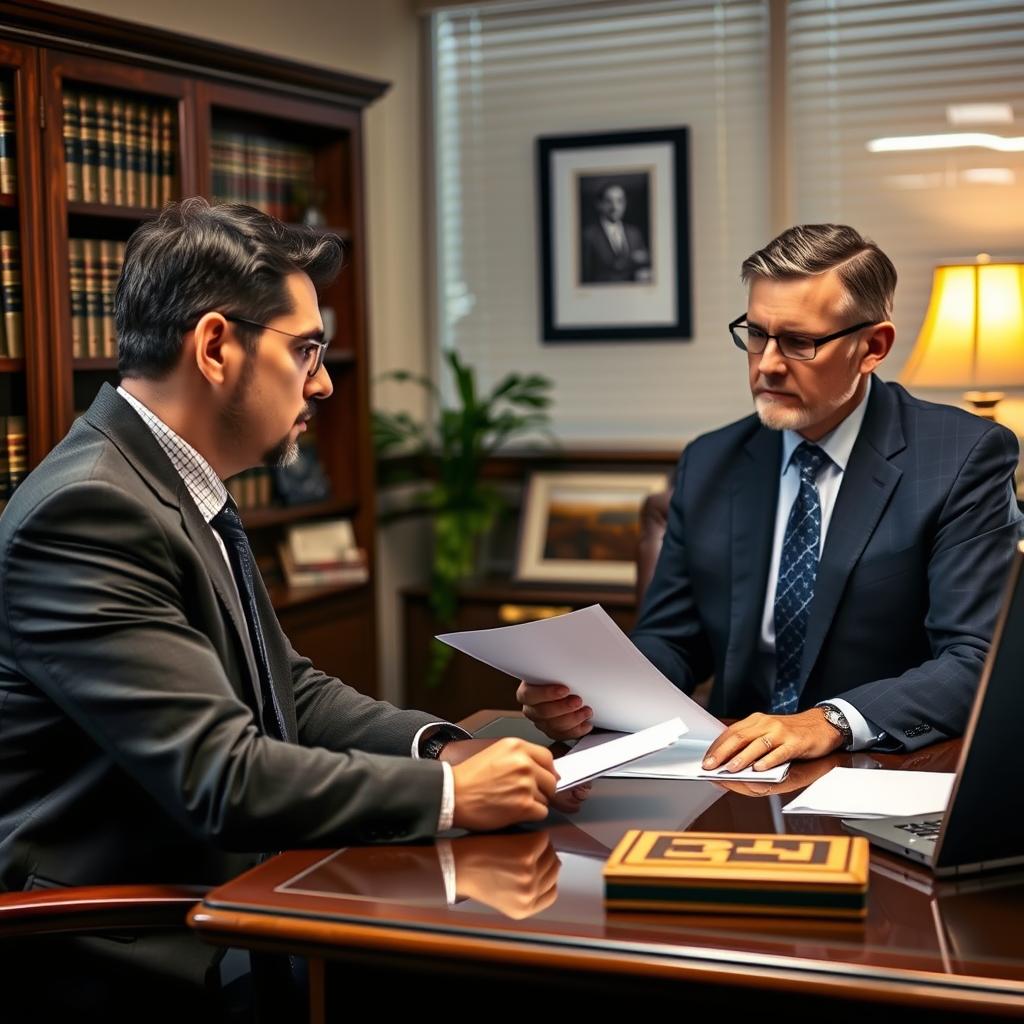
Felony DWI Lawyer Erie County, NY
When you face a felony driving while intoxicated charge in Erie County, New York, the stakes are high. A conviction can mean state prison, steep fines, and a long-term loss of your driving privileges. You need an experienced defense team that knows the local courts and understands how to fight DWI accusations. Law Offices Of SRIS, P.C., founded in 1997, concentrates its practice on traffic defense and serves clients throughout Western New York. Mr. Sris and his Of Counsel bring extensive combined legal experience to felony DWI matters. Reach our location at (888) 437-7747 to request a consultation. Law Offices Of SRIS, P.C. – Advocacy Without Borders.
What Felony DWI Means in Erie County, NY
In New York, a DWI becomes a felony when the driver has a prior DWI conviction within the preceding ten years, or when the incident involves a child passenger or other aggravating factors. The charge is handled in the local criminal court—often the Erie County Court or a local city or town court—rather than through the Traffic Violations Bureau, which has no jurisdiction over criminal matters. Because Erie County is outside New York City, plea bargaining is available, and a skilled defense can work toward a reduction of charges or an alternative disposition.
Erie County courts, including the Erie County Supreme Court and Buffalo City Court, adjudicate felony DWI cases. A felony conviction carries the risk of a state prison sentence, a mandatory fine, and a driver’s license revocation. Additionally, the conviction can affect employment, professional licenses, and immigration status. Mr. Sris and his Of Counsel are familiar with the local judges and prosecutors and understand how to present mitigation and challenge the evidence in these venues.
How Mr. Sris and His Of Counsel Handle Felony DWI Cases
An arrest for felony DWI triggers a detailed investigation. Mr. Sris and his Of Counsel review the traffic stop, the administration of field sobriety tests, the breath-test or blood-draw procedures, and the maintenance records of the testing equipment. They identify any procedural errors or constitutional violations that can form the basis for a motion to suppress evidence or to dismiss the charge. If the case proceeds, they negotiate with the prosecution to seek a favorable plea or prepare thoroughly for trial.
Because a felony DWI can involve a prior conviction, the team also examines the validity of the earlier offense. A prior DWI that was obtained without proper advisement of rights may be challenged, potentially reducing the current charge to a misdemeanor. Throughout the process, the firm works to protect your driving privileges and your freedom. The timeline varies by case, but you can expect regular communication and a strategic plan built for your specific situation. Results may vary.
Understanding New York Felony DWI Classifications
New York law divides felony DWI offenses into several categories based on the circumstances of the arrest and the defendant’s prior record. A Class E felony is the lowest-level felony DWI and generally applies to first-time felony offenders, such as those charged with aggravated DWI with a child passenger under the age of sixteen. A Class D felony typically applies when the defendant has a prior DWI conviction within ten years, making the current charge a second offense. The most serious category, a Class C felony, can apply when the defendant has two or more prior DWI convictions within the relevant lookback period or when the incident results in serious physical injury to another person. Understanding which class of felony you face is essential because it determines the maximum sentence the court may impose and shapes the defense strategy from the outset. Mr. Sris and his Of Counsel evaluate the charging documents carefully to determine whether the prosecution has properly classified the offense.
The Role of Chemical Testing in Felony DWI Cases
Chemical evidence—whether from a breathalyzer, blood draw, or urine sample—often forms the centerpiece of the prosecution’s case in a felony DWI matter. However, this evidence is not beyond challenge. Breathalyzer devices must be calibrated and maintained according to New York State Department of Health regulations. Blood samples must be drawn by qualified personnel, handled according to proper chain-of-custody protocols, and analyzed at certified laboratories. Any deviation from these procedures can call the reliability of the test result into question. Additionally, the United States Supreme Court has held that warrantless blood draws are generally unconstitutional under the Fourth Amendment unless an exception to the warrant requirement applies. If law enforcement obtained a blood sample without a warrant and without a valid exception, the defense may move to suppress that evidence. Mr. Sris and his Of Counsel scrutinize every step of the chemical testing process to identify potential grounds for challenging the test results.
Field Sobriety Testing Standards and Common Errors
Before an arrest for felony DWI, law enforcement officers typically administer standardized field sobriety tests, including the horizontal gaze nystagmus test, the walk-and-turn test, and the one-leg-stand test. These tests are governed by protocols established by the National Highway Traffic Safety Administration. When an officer deviates from the standardized instructions, the test results may be unreliable and subject to challenge. Environmental factors such as uneven pavement, poor lighting, adverse weather conditions, and the footwear worn by the driver can also affect performance on these tests. Furthermore, certain medical conditions—including inner ear disorders, neurological conditions, and orthopedic injuries—can produce test results that mimic impairment. Mr. Sris and his Of Counsel investigate whether the officer followed the proper testing protocols and whether any external or medical factors may have contributed to the driver’s performance, building a foundation for cross-examination at a suppression hearing or trial.
Potential Collateral Consequences of a Felony DWI Conviction
Beyond the immediate criminal penalties of incarceration, fines, and license revocation, a felony DWI conviction in New York carries a host of collateral consequences that can affect a person’s life for years after the sentence is served. A felony conviction creates a permanent criminal record that can be accessed by employers, landlords, and licensing agencies. Many professional licensing boards in New York, including those governing attorneys, healthcare professionals, and educators, may take disciplinary action against a licensee who has been convicted of a felony. Non-citizens, including lawful permanent residents, may face immigration consequences such as removal proceedings or the denial of naturalization. Additionally, a felony DWI conviction may affect child custody determinations in family court proceedings. Because these collateral consequences can be as significant as the criminal penalties themselves, Mr. Sris and his Of Counsel consider the full range of potential impacts when advising clients on how to proceed with their cases.
Navigating the Arraignment Process in Erie County
The arraignment is the first court appearance after a felony DWI arrest and is a critical stage in the criminal process. At the arraignment, the judge informs the defendant of the charges, advises them of their right to counsel, and sets conditions of release, which may include bail, supervised release, or release on recognizance. In Erie County, the judge may also issue a temporary order of protection if the alleged offense involved an accident or another party. The defense may present arguments regarding bail and release conditions, and in some cases may request a reduction in bail or alternative release terms. The case is then scheduled for a future court date, typically a preliminary hearing or a conference. Having an attorney present at the arraignment ensures that the defendant’s rights are protected from the very first court appearance and that the record reflects any objections or requests that may be important later in the proceedings. Law Offices Of SRIS, P.C. represents clients at arraignments throughout Erie County and works to secure the most favorable release conditions available under the circumstances.
Pre-Trial Motion Practice in Felony DWI Cases
Pre-trial motions are a fundamental component of a felony DWI defense in New York. Common motions in these cases include a motion to suppress evidence based on an unlawful traffic stop, a motion to suppress statements made by the defendant without proper Miranda warnings, and a motion to challenge the admissibility of chemical test results based on procedural or constitutional violations. A motion for a probable cause hearing, also known as a Huntley hearing or a Mapp hearing depending on the issue, can test the prosecution’s evidence and provide the defense with an opportunity to cross-examine the arresting officer under oath. In some cases, the defense may also file a motion to dismiss the indictment if the grand jury proceedings were defective or if the evidence before the grand jury was legally insufficient. Mr. Sris and his Of Counsel evaluate each case individually to determine which motions are appropriate and pursue them diligently to strengthen the client’s position, whether the goal is a dismissal, a reduction of charges, or a favorable plea agreement.
What to Bring to Your Initial Consultation
Preparing for an initial consultation with a felony DWI attorney can make the meeting more productive and help the attorney begin evaluating your case right away. Clients should bring all paperwork received from law enforcement at the time of arrest, including the desk appearance ticket, any bail documents, and the notice of suspension or revocation from the Department of Motor Vehicles. If the client has a copy of the criminal complaint or the supporting deposition, those documents should also be provided. Information about any prior DWI convictions or other criminal history is important for the attorney to assess the potential sentencing exposure. A list of any witnesses to the traffic stop or to the events experienced up to the arrest can also be helpful. Clients should also bring a list of questions they have about the legal process, the potential timeline, and the attorney’s experience handling similar cases. At Law Offices Of SRIS, P.C., the initial consultation is an opportunity for the client and the attorney to determine whether they are a good fit for working together on the case.
Frequently Asked Questions
Do I need a lawyer for a felony DWI charge in Erie County?
Yes, you need a lawyer immediately after a felony DWI arrest in Erie County. A felony DWI conviction can result in state prison time, thousands of dollars in fines, and a lengthy license revocation. An experienced attorney can identify weaknesses in the prosecution’s case, challenge the stop or testing procedures, and work toward a reduction of charges. Without counsel, you may unknowingly waive important rights. Law Offices Of SRIS, P.C. offers consultations at (888) 437-7747 to discuss your case.
What is the penalty for a felony DWI in New York?
Felony DWI in New York is punishable by a state prison sentence, a substantial fine, and a driver’s license revocation. The specific sentence depends on the class of felony and the defendant’s criminal history. A Class E felony (e.g., DWI with a child passenger) carries up to four years in prison; a Class D felony (second DWI within 10 years) carries up to seven years. The court may also impose probation, mandatory alcohol treatment, and an ignition interlock device. Because penalties escalate with prior convictions, it is critical to mount a strong defense.
Can a felony DWI be reduced to a misdemeanor in Buffalo?
Yes, a felony DWI charge may be reduced to a misdemeanor when the defense challenges the prior conviction or the evidence of intoxication. In Erie County, prosecutors may agree to a plea to a misdemeanor DWI or a reduced charge such as DWAI (Driving While Ability Impaired) if the prior conviction is legally infirm or if the prosecution’s case has evidentiary problems. An attorney must file motions to examine the prior plea and the current stop. The firm’s Of Counsel attorneys regularly negotiate these reductions in Buffalo and surrounding courts.
How does a DWI case proceed in Erie County?
After an arrest, the case is docketed in the local criminal court, and the defendant is arraigned. The court sets bail or release conditions. The defense then obtains discovery, including police reports and breath-test records. Motions to suppress evidence are filed, and the case may be resolved by plea or set for trial. Because Erie County courts permit plea bargaining, many felony DWI cases are resolved without a trial, but the firm prepares every case as though it will go to verdict.
Will I lose my license for a felony DWI in New York?
A felony DWI conviction results in a mandatory driver’s license revocation by the New York DMV. The revocation period is at least one year, and often longer for repeat offenders. You may be eligible for a conditional license or, after the revocation period, a relicensing hearing. The firm can help you understand the administrative consequences and take steps to mitigate the impact on your ability to drive.
What happens if I am arrested for felony DWI but live outside New York?
An out-of-state driver arrested for felony DWI in Erie County faces unique challenges that require prompt attention. New York is a member of the Interstate Driver License Compact, which means the New York DMV will report a conviction to the driver’s home state licensing authority, potentially triggering a separate suspension or revocation in the home state. The driver must generally appear in the New York criminal court to resolve the felony charge, which may require travel and coordination across state lines. In some cases, the defense may be able to appear on the client’s behalf for certain procedural court dates, reducing the burden of travel. Law Offices Of SRIS, P.C. Regularly represents out-of-state drivers charged in New York and works to coordinate the defense to accommodate the client’s geographic circumstances.
For guidance on your specific situation, reach Law Offices Of SRIS, P.C. at (888) 437-7747.
Related locations served:
Manhattan Traffic Lawyer |
Brooklyn Traffic Lawyer |
Queens Traffic Lawyer |
Staten Island Traffic Lawyer |
Nassau County Traffic Lawyer
Attorney advertising. Prior results do not guarantee a similar outcome. Case results depend on a variety of factors unique to each case. Results may vary.