
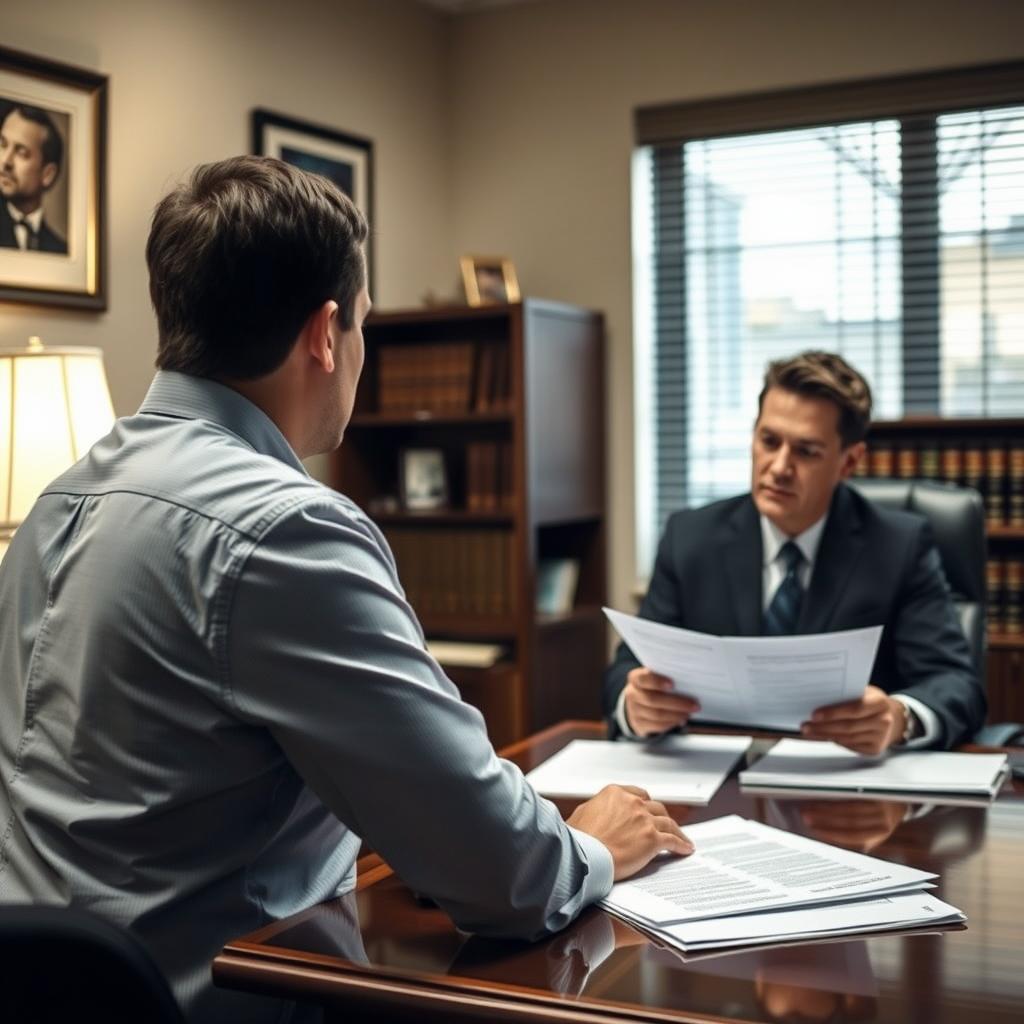
Felony DWI Lawyer Ontario County, NY
A felony DWI charge in Ontario County, New York, carries consequences that extend beyond fines—potential state prison, license revocation, and a permanent criminal record are possible under the New York Vehicle and Traffic Law. Whether your charge originated from a traffic stop in Canandaigua, on I-90 near Victor, or anywhere in the Finger Lakes region, you need defense counsel who understands how Ontario County courts apply the felony DWI statutes. Law Offices Of SRIS, P.C. Concentrates part of its practice on traffic defense and represents individuals facing felony driving while intoxicated charges at the Ontario County Supreme Court in Canandaigua and at the local justice courts throughout the county. Mr. Sris, Owner and Founder of the firm, is a former prosecutor who has practiced since 1997, and together with his Of Counsel team brings multi-state experience to every matter. Reach Law Offices Of SRIS, P.C. at (888) 437-7747 to request a consultation. Law Offices Of SRIS, P.C. – Advocacy Without Borders.
What a Felony DWI Means in Ontario County, NY
Under the New York Vehicle and Traffic Law, a driving-while-intoxicated offense becomes a felony when the accused has a prior DWI conviction within the previous ten years, or when the current charge involves specific aggravating factors—such as operating a vehicle while intoxicated with a child passenger, driving with a permanently revoked license, or causing serious injury. A felony DWI in Ontario County is prosecuted by the Ontario County District Attorney’s office and is typically heard in the Ontario County Supreme Court, the county court of general felony jurisdiction, located at 27 North Main Street in Canandaigua, or in the local city and town courts that have preliminary authority over the case’s early stages.
Unlike some downstate traffic matters channeled through the New York City Traffic Violations Bureau, Ontario County felony DWI cases proceed through the local court system where plea negotiations are an accepted part of the process. The assigned prosecutor and the court will review the full factual record—including the basis for the traffic stop, field sobriety test performance, chemical breath or blood test results, and any prior alcohol-related driving record—when determining how to proceed. The local justice courts in communities such as Geneva, Victor, Farmington, Manchester, Phelps, Hopewell, Seneca, and East Bloomfield each maintain their own calendars, and the procedural path from arraignment through potential plea or trial can vary by court. Because a felony DWI conviction triggers mandatory DMV sanctions and may put a defendant’s livelihood at risk, representation by an attorney familiar with the county’s practices is a practical consideration.
How Mr. Sris and His Of Counsel Handle Felony DWI Cases
When a client contacts Law Offices Of SRIS, P.C. after a felony DWI arrest in Ontario County, the first step is to gather the complete record—the police reports, the DAT (Desk Appearance Ticket) or felony complaint, any video or audio from the traffic stop, and the results of any chemical testing. The legal team then assesses every available defense, beginning with the legality of the initial stop and the lawfulness of the arrest itself. If the officer lacked a reasonable suspicion for the stop or probable cause for the arrest, a motion to suppress the evidence may be filed, and if granted, the prosecution’s case may be substantially weakened.
Mr. Sris and his Of Counsel also examine whether the chemical testing complied with New York’s statutory requirements—including the twenty-minute observation period before a breath test and the qualifications of the testing operator—and whether any field sobriety tests were administered in a manner consistent with National Highway Traffic Safety Administration standards. When a challenge to the evidence is not the strongest path, the focus shifts to negotiation with the prosecutor’s office. Because Ontario County courts operate outside the TVB system, plea bargaining is available; it may be possible to seek a reduction of a felony DWI to a misdemeanor driving-while-ability-impaired charge or another disposition that avoids the most severe consequences. Every case is prepared as though it will go to trial, from the initial motion practice through discovery and potential evidentiary hearings.
About Mr. Sris and His Of Counsel Team
Mr. Sris, Owner and Founder of Law Offices Of SRIS, P.C., is a former prosecutor who has practiced law since 1997. He is admitted to the bars of Virginia, Maryland, the District of Columbia, New Jersey, and New York, giving him a multi-state perspective on traffic defense matters. Mr. Sris testified before the Virginia House Courts of Justice Committee in support of 2019 HB 635 (chief patron Del. David Bulova), a legislative effort that became part of Virginia’s equitable distribution framework. His experience from the prosecution side gives him insight into how the government approaches a felony DWI case and how to prepare a defense accordingly.
The firm’s Of Counsel team, engaged through Excella, includes attorneys with experience in traffic defense and criminal courtroom work. While Mr. Sris and his Of Counsel oversees the handling of complex matters, the collective approach allows the firm to address the multiple procedural steps—from arraignment to potential suppression hearings and trial—that an Ontario County felony DWI may involve. The firm does not promise any particular result; each case is pursued on its individual facts. Results may vary.
Frequently Asked Questions
Do I need a lawyer for a felony DWI charge in Ontario County, New York?
Yes—especially because a felony DWI carries the possibility of incarceration and long-term consequences that extend well beyond the criminal case. The statutory provisions in the New York Vehicle and Traffic Law that elevate a DWI to a felony level—such as a prior conviction within ten years—require a careful review of the record. An experienced attorney can identify whether the prior conviction qualifies as a predicate under the statute, evaluate any weaknesses in the stop or chemical test, and speak to the prosecutor’s office about potential resolutions. In Ontario County local courts, where plea bargaining is a regular part of the process, a lawyer’s involvement can be critical to seeking a lesser charge or a more favorable sentence.
What are the potential penalties for a felony DWI in New York?
Felony DWI penalties in New York can include a state prison sentence, mandatory fines, a lengthy license revocation, and installation of an ignition interlock device. The exact exposure depends on the specific charge—such as a second DWI within ten years, which is a Class E felony, or a third or subsequent DWI, which is a Class D felony—and on the defendant’s prior record. In addition to any term of imprisonment, the court may require participation in the Drinking Driver Program and may impose probation or conditional discharge conditions. The sentencing judge’s discretion is broad, and the presence of aggravating factors may increase the recommended sentence. For information about the specific penalty range applicable to your charges, speak with an attorney.
Can a felony DWI be reduced to a misdemeanor in Ontario County?
In many cases, negotiation with the district attorney’s office may lead to a plea to a reduced charge, including a misdemeanor, when the facts and the defendant’s record support it. Because Ontario County does not operate under the TVB system—where plea bargaining is unavailable—the prosecution and defense can discuss a disposition that could resolve a felony DWI as a lesser offense, such as a misdemeanor DWI or a driving-while-impaired violation. The willingness of the prosecutor to entertain a reduction often depends on the strength of the evidence, the defendant’s prior history, and whether any legal defenses exist. Mr. Sris and his Of Counsel routinely explore these possibilities as part of a comprehensive defense strategy.
What is the difference between a DWI and a felony DWI in New York?
A standard DWI is a misdemeanor, while a felony DWI is charged when the driver has a prior DWI conviction within ten years, causes serious injury, or drives with a child passenger. A first-offense DWI, or a driving while ability impaired charge, is typically a misdemeanor. A second DWI within a decade is a Class E felony, and a third DWI within that period is a Class D felony. Other felony-level drunk driving charges include Vehicular Assault in the Second Degree, Aggravated Vehicular Assault, and Aggravated DWI with a child passenger. An attorney can help determine the precise classification of your charge and what it means for your case.
Will I lose my license after a felony DWI arrest in Ontario County?
Yes—a felony DWI arrest in New York triggers an administrative license suspension at the arraignment, and a conviction can lead to a revocation for a significant period. At the first court appearance, the judge typically suspends the driver’s license pending prosecution. A person may be eligible for a hardship license or a conditional license for work or medical needs, but these are not guaranteed. After a felony DWI conviction, the DMV will revoke the license for a set term and may require that a driver complete the Drinking Driver Program and install an ignition interlock device before a new license can be issued. An attorney can explain the specific administrative and court-imposed penalties that are likely in your situation.
Where are felony DWI cases handled in Ontario County?
Felony DWI charges in Ontario County are typically adjudicated in the Ontario County Supreme Court in Canandaigua, with preliminary proceedings occurring in the local city, town, or village courts where the arrest took place. The Supreme Court handles all felony-level matters, while the local justice courts—such as Canandaigua City Court, Geneva City Court, and the town courts in Victor and Farmington—manage the initial arraignment, bail setting, and preliminary hearings. Understanding which court will handle each phase of the case is important for planning motions, negotiation, and trial preparation. Mr. Sris and his Of Counsel are familiar with the courts and procedures in Ontario County and appear regularly in both the Supreme Court and the local justice courts.
For a consultation, reach Mr. Sris and his Of Counsel at (888) 437-7747.
Related Practice Areas
New York County Traffic Lawyer ·
Kings County Traffic Lawyer ·
Queens County Traffic Lawyer ·
Richmond County Traffic Lawyer
Primary Authority
New York Vehicle and Traffic Law § 1192 ·
Ontario County Supreme Court
Attorney advertising. Prior results do not guarantee a similar outcome.
Case results depend on a variety of factors unique to each case.
Results may vary.