
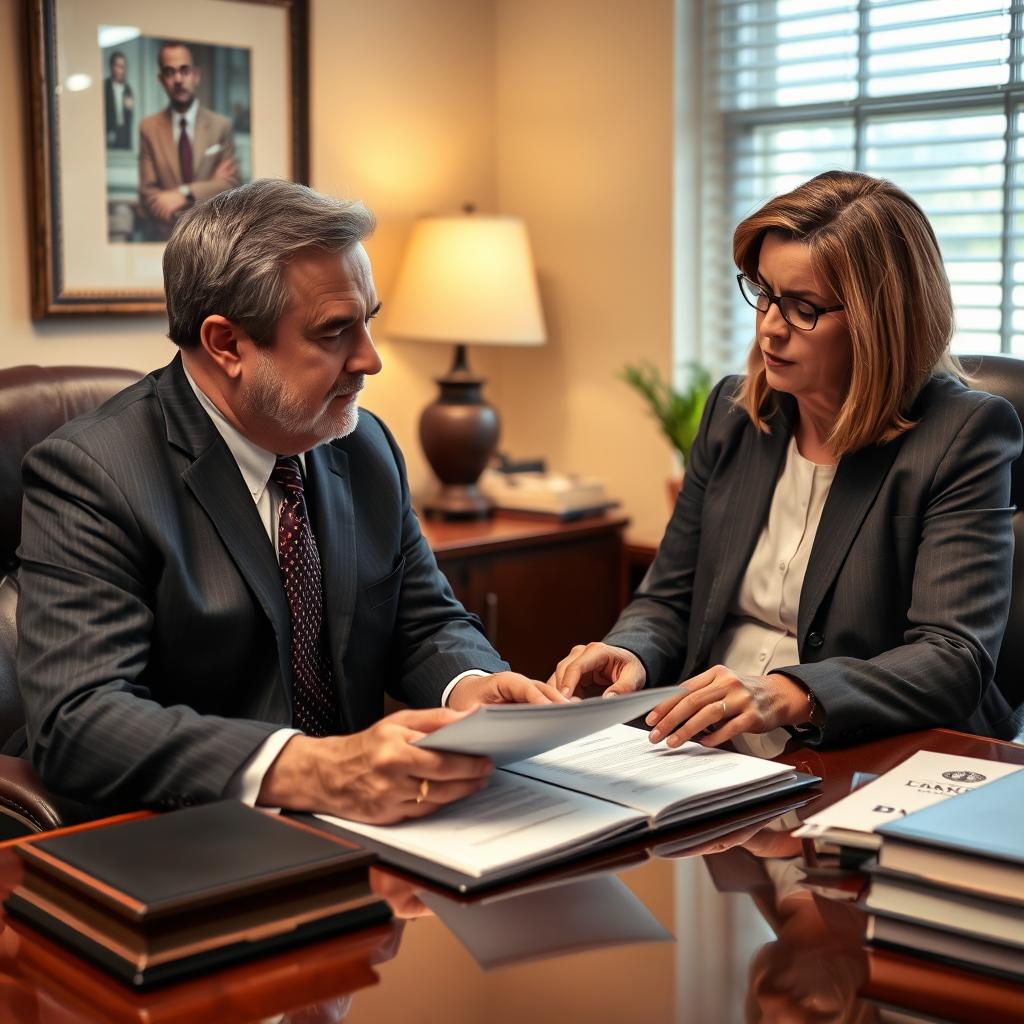
Habitual Offender Lawyer Frederick County
You need a Habitual Offender Lawyer Frederick County if you face a habitual offender declaration. This Virginia status is a civil finding based on specific convictions. It results in a long-term license revocation. Law Offices Of SRIS, P.C. —Advocacy Without Borders. defends these cases in Frederick County. We challenge the underlying convictions and procedural errors. (Confirmed by SRIS, P.C.)
Statutory Definition of a Habitual Offender in Virginia
Virginia Code § 46.2-351 defines a habitual offender — a Class 1 misdemeanor — with a maximum penalty of 12 months in jail and a $2,500 fine. The statute is a civil administrative procedure, not a direct criminal charge. The Virginia DMV declares you a habitual offender after accumulating a defined set of major and minor traffic convictions within a ten-year period. This declaration results in the revocation of your driving privilege for ten years. You cannot drive for any reason during this period. The finding is based on your conviction record, not a new court case. You have the right to challenge this declaration in the Circuit Court of Frederick County. A successful challenge requires attacking the validity of the underlying convictions.
The core issue is the accumulation of convictions. Three major offenses trigger the declaration. A major offense includes DUI, voluntary or involuntary manslaughter, and felony driving offenses. You can also be declared a habitual offender with 12 minor convictions. Minor offenses include speeding, reckless driving, and driving on a suspended license. The DMV counts convictions from any state. The ten-year look-back period is critical for defense. The clock starts from the date of each conviction, not the offense date. Errors in the DMV’s calculation are common grounds for appeal.
The declaration process starts with a DMV notice.
You will receive a formal notice from the Virginia DMV. This notice states their intent to declare you a habitual offender. You have 30 days to request an administrative hearing. This hearing is before the DMV, not a court. The scope of this hearing is very limited. It only reviews if the DMV correctly counted your convictions. It does not allow challenges to the convictions themselves. If you miss this deadline, the declaration becomes final. You must then petition the Frederick County Circuit Court for relief.
Driving after a declaration is a separate criminal charge.
Driving after being declared a habitual offender is a crime under Va. Code § 46.2-357. A first offense is a Class 1 misdemeanor. Penalties include mandatory jail time. The law requires a minimum of ten days up to one year in jail. Fines can reach $2,500. The court must impose a mandatory license suspension. A second offense becomes a Class 6 felony. This carries one to five years in prison. A conviction also leads to forfeiture of your vehicle. Defending the underlying declaration is the best defense to a subsequent driving charge.
You must petition the court to restore your license.
License restoration requires a formal petition to the court. You can file this after the ten-year revocation period ends. The petition goes to the Circuit Court of Frederick County. You must prove rehabilitation and a need to drive. The court considers your entire criminal and driving history. They assess your conduct during the revocation period. The judge has broad discretion to grant or deny the petition. Legal representation is crucial for this process. SRIS, P.C. prepares persuasive petitions with supporting evidence.
The Insider Procedural Edge in Frederick County
Habitual offender cases are heard at the Frederick County Circuit Court located at 5 N. Kent Street, Winchester, VA 22601. The court handles petitions for review and appeals of DMV declarations. The filing fee for a petition is approximately $84. The timeline from filing to a hearing can take several months. The court’s docket is busy, so early filing is critical. You must serve the Virginia DMV with your petition. The DMV will file a response defending its declaration. The court will schedule a hearing where both sides present arguments.
Procedural specifics for Frederick County are reviewed during a Consultation by appointment at our Winchester Location. The local Commonwealth’s Attorney may not be directly involved in the civil petition. The DMV is represented by the Virginia Attorney General’s Location. These attorneys are familiar with the statutes but may not know local court preferences. Knowing the tendencies of the Frederick County Circuit Court judges is an advantage. Some judges prioritize strict adherence to statutory timelines. Others may consider equitable arguments about hardship. Presenting a clear, documented case is essential for success.
File your petition before the DMV deadline passes.
The 30-day deadline to contest the DMV notice is absolute. Missing it forfeits your right to an administrative hearing. You must then pursue the more difficult judicial review. Filing a petition in Circuit Court stops the declaration from taking effect. This is called a “stay” of the DMV’s order. It prevents the ten-year revocation from starting. This allows you to continue driving legally while the case is pending. An experienced Habitual Offender Lawyer Frederick County files this petition immediately.
The hearing resembles a bench trial without a jury.
The judge reviews the DMV’s record and your evidence. Your attorney argues why the declaration is incorrect. Grounds include incorrect conviction dates or misclassified offenses. The burden is on you to prove the DMV made an error. The standard is a “preponderance of the evidence.” This means it is more likely than not that the DMV was wrong. Winning requires careful review of every conviction on your transcript. We obtain certified records from every relevant court.
Success often depends on challenging old convictions.
Many habitual offender declarations rely on old, uncontested convictions. These may have constitutional defects. Examples include convictions where you had no lawyer. Another is where you did not knowingly waive your rights. We file motions to collaterally attack these convictions. If successful, the court removes them from your record. This can reduce your total below the statutory threshold. This strategy requires deep knowledge of constitutional criminal procedure.
Penalties & Defense Strategies
The most common penalty for a habitual offender declaration is a ten-year driver’s license revocation. The consequences extend far beyond simply losing your license. It affects employment, insurance, and daily life. If you are caught driving during revocation, you face severe criminal penalties. The table below outlines the specific penalties for driving after declaration.
| Offense | Penalty | Notes |
|---|---|---|
| First Offense (Driving After Declaration) | Class 1 Misdemeanor: Mandatory 10 days – 12 months jail, fine up to $2,500, additional license suspension. | Jail time is mandatory; judges have limited discretion. |
| Second Offense (Driving After Declaration) | Class 6 Felony: 1-5 years in prison, OR up to 12 months jail and $2,500 fine. Vehicle forfeiture possible. | Felony conviction results in loss of civil rights. |
| Habitual Offender Declaration (Civil) | 10-year driver’s license revocation. No driving for any purpose. | Not a criminal penalty, but a civil administrative action by DMV. |
[Insider Insight] Frederick County prosecutors treat driving after declaration charges severely. They seek the mandatory jail time. Their position hardens if the driving involved an accident or DUI. Early intervention by a skilled criminal defense representation team is critical. We negotiate to reduce charges where possible. We explore alternatives to incarceration, especially for employment reasons.
Attack the validity of the underlying convictions.
This is the most powerful defense strategy. We obtain the case files for every conviction the DMV used. We look for procedural errors or constitutional violations. A common issue is a defective waiver of counsel form. Another is a conviction based on a guilty plea you did not understand. If we can vacate even one major conviction, the declaration fails. This work requires resources and persistence that SRIS, P.C. provides.
Challenge the DMV’s mathematical calculations.
The DMV must correctly calculate the ten-year window for each conviction. Clerical errors are frequent. A conviction date may be misread. An out-of-state offense may be misclassified as major instead of minor. We order a certified copy of your complete driving transcript. We audit every entry against court records. A single error can invalidate the entire declaration.
File for a restricted license if eligible.
Virginia law allows for restricted driving privileges in some cases. This is not available for all habitual offenders. You may qualify for a restricted license for work, medical care, or education. You must petition the court that handled your underlying DUI or major offense. The Frederick County Circuit Court hears these petitions. The standard is “necessary to avoid a substantial hardship.” We document your need with employer letters and medical records.
Why Hire SRIS, P.C. for Your Frederick County Case
Our lead attorney for Frederick County habitual offender cases is a former Virginia prosecutor with over 15 years of court experience. This background provides direct insight into how the Commonwealth builds its case. We know the tactics used by the DMV and the Attorney General’s Location. We use this knowledge to anticipate and counter their arguments.
Primary Frederick County Attorney: Extensive experience in Virginia traffic and administrative law. Has successfully petitioned to vacate old convictions in Frederick County Circuit Court. Focuses on the detailed procedural review necessary to defeat habitual offender declarations. A member of our our experienced legal team dedicated to Northern Virginia.
SRIS, P.C. has a Location in Winchester to serve Frederick County clients. Our team understands the local legal area. We have represented clients in the Frederick County Courthouse for years. Our approach is direct and strategic. We do not waste time on motions that will not succeed. We focus on the legal flaws that judges in this jurisdiction recognize. We prepare every case as if it will go to a hearing. This preparation often leads to favorable settlements without a trial.
We track case outcomes to refine our methods. Our review of habitual offender petitions shows specific patterns in DMV errors. We use this data to guide our defense investigation. Our goal is not just to delay the declaration but to overturn it. Protecting your driving privilege is our priority. A consultation with us provides a clear assessment of your options.
Localized Frederick County Habitual Offender FAQs
How long does a habitual offender declaration last in Virginia?
The revocation lasts for ten years from the effective date of the declaration. The clock does not start if you successfully petition the court for a stay. Driving during this period is a separate criminal offense.
Can I get a restricted license as a habitual offender in Frederick County?
Possibly, but it is difficult. You must petition the court and prove a substantial hardship. Eligibility often depends on the specific major offenses on your record. An attorney can evaluate your chances.
What is the difference between a habitual offender and driving on a suspended license?
A habitual offender has a civil status from the DMV resulting in a 10-year revocation. Driving on a suspended license is a criminal charge for violating a shorter, finite suspension. The penalties for driving after a habitual offender declaration are more severe.
How can a lawyer help fight a habitual offender declaration?
A lawyer reviews every conviction the DMV cited. We look for errors in dates, classifications, or constitutional rights violations. We file petitions in Frederick County Circuit Court to challenge the DMV’s legal basis for the declaration.
What happens after the ten-year revocation period ends?
Your license is not automatically restored. You must file a petition for restoration with the Circuit Court. You must prove rehabilitation and a legitimate need to drive. The court has full discretion to approve or deny your request.
Proximity, CTA & Disclaimer
Our Winchester Location serves Frederick County clients facing habitual offender declarations. We are positioned to provide effective DUI defense in Virginia, which is often a predicate offense for habitual offender status. The Frederick County Courthouse is centrally located for in-person filings and hearings.
Consultation by appointment. Call 888-437-7747. 24/7.
Law Offices Of SRIS, P.C.
—Advocacy Without Borders.
NAP: SRIS, P.C., Winchester, VA.
Past results do not predict future outcomes.