
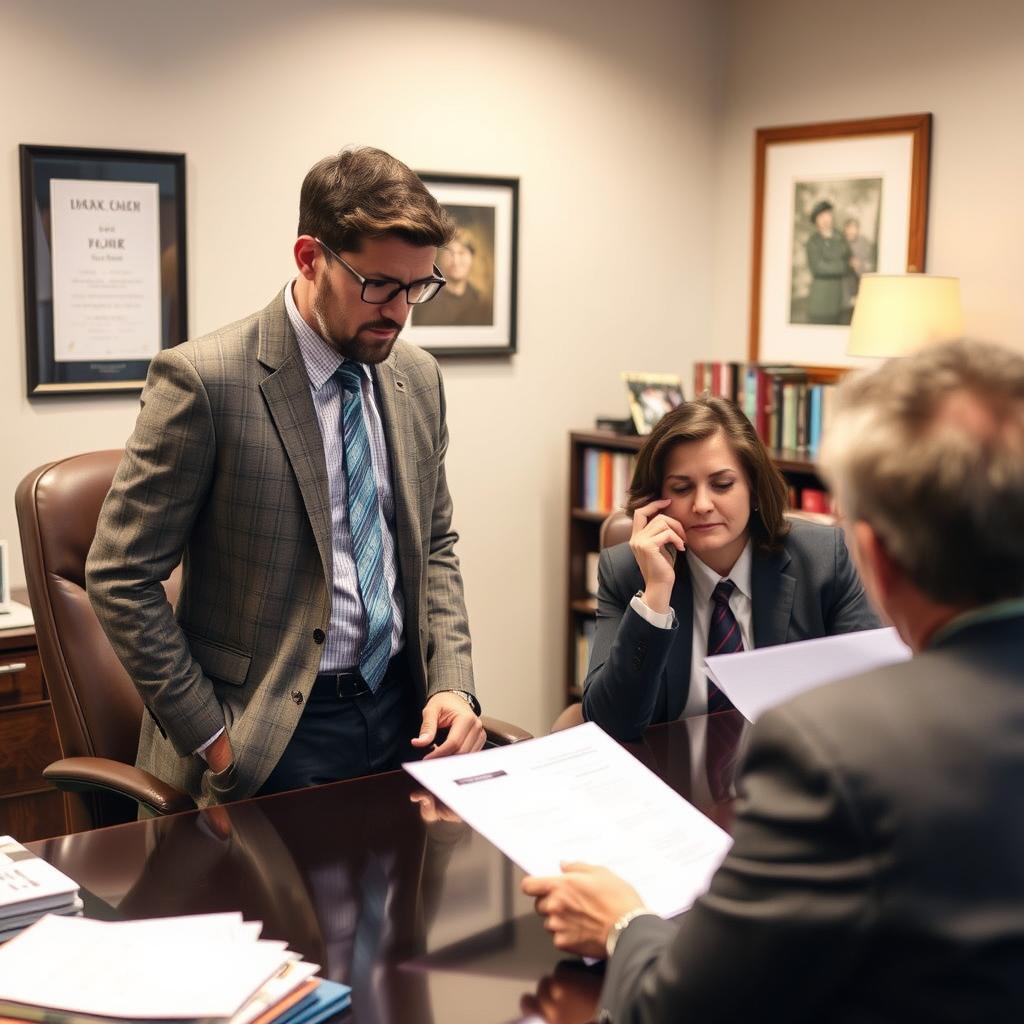
What happens at a DUI arraignment in Herkimer County
You were pulled over on Route 28 or the New York State Thruway, arrested for DWI, and now you have a court date. The first court appearance after a DWI arrest in Herkimer County is the arraignment—a procedural hearing that sets the course for your case. At the arraignment, the judge will formally read the charge against you, advise you of your rights, and ask you to enter a plea of guilty, not guilty, or, in some circumstances, no contest. The court will also address bail or release conditions and schedule future dates. Having an attorney present at this hearing can make a meaningful difference in how your case proceeds. Mr. Sris and the firm’s Of Counsel attorneys routinely appear in Herkimer County courts for arraignments. To discuss your situation, call (888) 437-7747. Law Offices Of SRIS, P.C. – Advocacy Without Borders.
Understanding the DUI Arraignment Process in Herkimer County
In New York, a DWI arraignment is held in the local criminal court of the town or village where the arrest occurred. Herkimer County includes multiple town and village courts—such as those in Herkimer, Ilion, Little Falls, and Mohawk—so the specific courthouse depends on the location of the traffic stop. An arraignment typically takes place within a short period after arrest, often within 24 to 48 hours if the defendant is in custody; if released on an appearance ticket, the arraignment date is listed on the ticket. At the hearing, the judge will inform you of the charge and your rights, including the right to an attorney and the right to remain silent. The court will then set conditions of release, which may include bail, supervised release, or release on your own recognizance. The judge will also schedule a future court date for pre-trial proceedings.
For a DWI charge, the specific offense level matters: a first-offense DWI is generally a misdemeanor, while a felony DWI may be charged if there are prior convictions or certain aggravating factors. The arraignment is the first opportunity for your attorney to begin challenging the sufficiency of the charging document, preserving any procedural issues, and advocating for release conditions that do not interfere with your employment or family obligations. Mr. Sris and the firm’s Of Counsel attorneys are familiar with the way Herkimer County courts handle DWI arraignments and can immediately begin building a defense.
Frequently Asked Questions
Do I need a lawyer at a DUI arraignment in Herkimer County?
You are not required to have a lawyer at a DWI arraignment in Herkimer County, but having one present can help protect your rights and influence the conditions of release and the early direction of your case. An attorney can enter a not-guilty plea on your behalf, argue for release without bail, and begin identifying issues with the stop, field sobriety tests, or chemical test procedures. If you cannot afford an attorney, the court will appoint a public defender or assigned counsel. However, private counsel can often appear at the arraignment sooner and can immediately begin the factual investigation.
What plea should I enter at a DWI arraignment in Herkimer County?
In nearly all DWI cases, the recommended plea at arraignment is not guilty. Entering a not-guilty plea preserves your right to challenge the stop, the chemical test results, and other evidence. It also provides time to negotiate with the prosecutor, explore plea offers, and prepare for pre-trial motions. If you plead guilty at the arraignment, you could waive important rights and accept a sentence without knowing the full strength of the prosecution’s case. An attorney can advise you on the trusted plea for your specific circumstances.
Will I be released after the arraignment?
Most individuals charged with a first-offense DWI in Herkimer County are released on their own recognizance or with minimal conditions following the arraignment. The judge considers factors such as ties to the community, prior record, and the nature of the offense. In some cases, the court may set bail, require a driver’s license suspension, or order supervised release. An attorney can argue for the least restrictive conditions to help you return to work and family while the case is pending.
What happens after the arraignment in a Herkimer County DWI case?
After the arraignment, the case proceeds to the discovery and pre-trial motion stage, where both sides exchange evidence and your attorney can file motions to suppress evidence or dismiss the charge. The court will schedule a conference or hearing date, and the prosecution must provide the police reports, chemical test records, and any calibration or maintenance logs for the breath-test instrument. Your attorney will review this material and may challenge the legality of the traffic stop or the admissibility of the test results. The case may resolve through a negotiated plea or proceed to trial.
Can a DWI charge in Herkimer County be reduced?
A DWI charge can sometimes be reduced to a lesser offense, such as driving while ability impaired (DWAI), depending on the facts of the case and the defendant’s prior record. A reduction to DWAI avoids a criminal conviction in some circumstances and reduces the length of license revocation. Negotiations take place with the district attorney’s office and often hinge on factors like the blood alcohol concentration, the reason for the stop, and the performance on field sobriety tests. An experienced attorney can assess the likelihood of a reduction based on the evidence in your case.
Should I speak to the police or prosecutor at the arraignment?
You should not discuss the facts of your case with the police or prosecutor at the arraignment without your attorney present. Anything you say can be used against you. The arraignment is not the time to explain your side of the story. Let your attorney handle all communications with the prosecution and the court. If you are asked to speak, you have the right to remain silent and to have counsel present.
What is the difference between DWI and DWAI in New York?
In New York, DWI (driving while intoxicated) is a criminal offense based on a blood alcohol concentration of .08% or higher, while DWAI (driving while ability impaired) is a traffic infraction based on impairment below .08%. A DWI conviction carries criminal penalties, including a fine, jail time, and license revocation. DWAI is not a crime under New York law and results in a shorter license suspension and lower fines. An attorney may seek to have a DWI charge reduced to DWAI when the evidence supports it.
Will a DWI arrest in Herkimer County affect my driver’s license?
A DWI arrest in New York triggers an administrative license suspension separate from the criminal case, and the arraignment may also result in a court-ordered suspension or ignition interlock requirement. Typically, if you refused a chemical test or had a BAC of .08% or more, the Department of Motor Vehicles will suspend your license at an administrative hearing. At the arraignment, the judge may also order a suspension as a condition of release. An attorney can help you understand the options for a conditional license or a hardship hearing.
How does a DWI conviction affect my insurance in New York?
A DWI conviction in New York will result in significantly increased insurance premiums and may require the filing of an SR-22 certificate for three years. Insurance companies view DWI as a high-risk factor, often doubling or tripling premiums. In some cases, the insurer may refuse to renew your policy. Maintaining a clean driving record after the conviction and completing a defensive driving course can help reduce premiums over time.
Are there diversion programs for first-time DWI offenders in Herkimer County?
New York does not have a statewide diversion program for DWI offenders, but some upstate counties, including Herkimer, may utilize drug court or DWI court programs for repeat or high-risk offenders. These programs involve close supervision, treatment, and regular court appearances. For first-time offenders, the focus is often on plea negotiations and sentencing mitigation. An attorney can explain whether any local diversion options apply to your case.
Herkimer County Supreme Court Court hours: Mon-Fri 9:00AM-5:00PM. Counsel appearing on traffic matters should plan filings accordingly.
About Mr. Sris and the Firm’s Of Counsel Attorneys
Mr. Sris, Owner and Founder of Law Offices Of SRIS, P.C., is a former prosecutor who has practiced in New York and four other jurisdictions since founding the firm in 1997. He retains a limited personal caseload to remain directly involved in complex criminal and traffic matters. Working alongside him, the firm’s Of Counsel attorneys bring additional courtroom experience that includes insight into police procedures, chemical testing protocols, and local court practice in the Mohawk Valley region. The team’s collective experience allows them to evaluate DWI charges thoroughly—from the legality of the stop to the accuracy of the breath test—and to present a focused defense at every stage, including the arraignment. To speak with Mr. Sris or schedule a consultation, call (888) 437-7747.
Traffic lawyer in New York County |
Traffic lawyer in Kings County |
Traffic lawyer in Queens County |
Traffic lawyer in Richmond County |
Traffic lawyer in Nassau County
Attorney advertising. Prior results do not guarantee a similar outcome.
Case results depend on a variety of factors unique to each case.
Results may vary.