
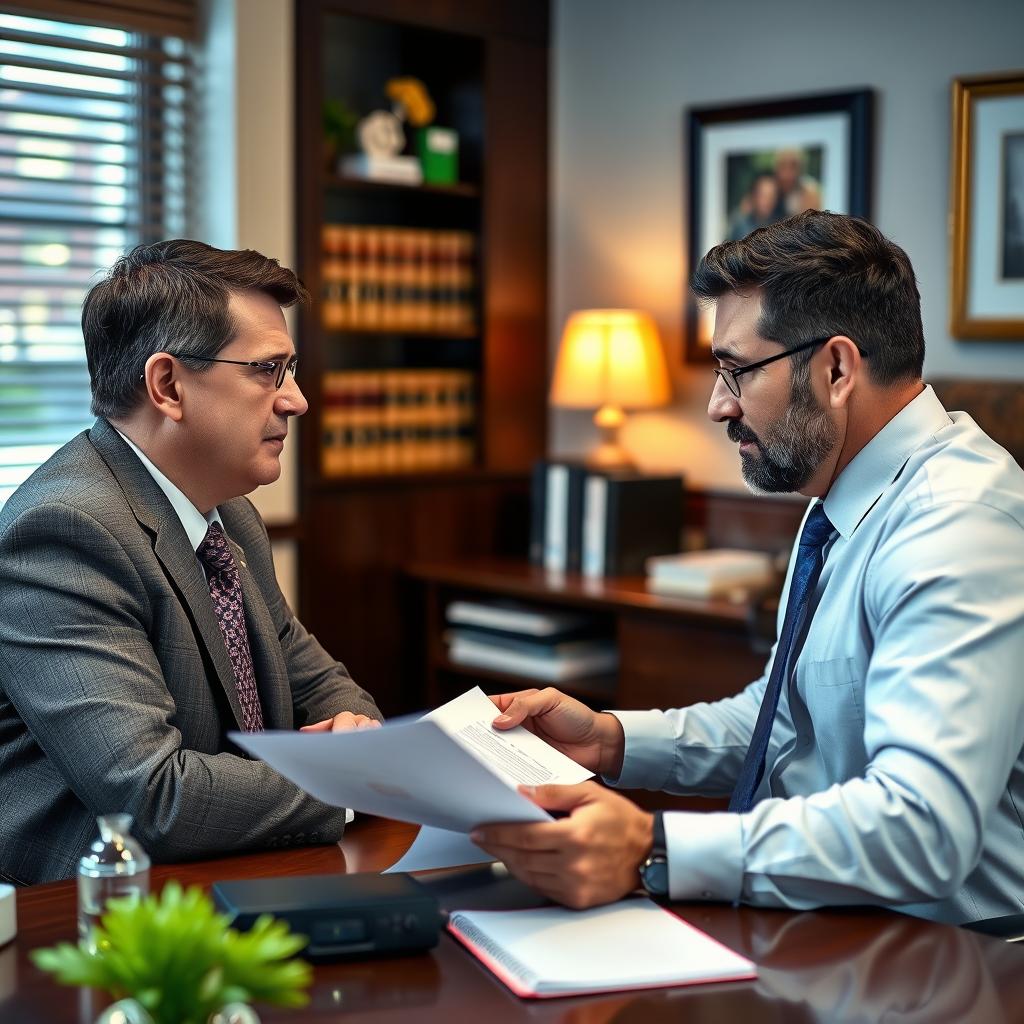
What happens at a DUI arraignment in Orleans County
If you have been charged with driving while intoxicated (DWI) or driving while ability impaired by alcohol (DWAI) in Orleans County, your first court appearance is the arraignment. At the arraignment, the judge will inform you of the charge and your rights, you will enter a plea, and the court will address bail or release conditions. This hearing is held at the Orleans County Supreme Court, located at 1 South Main Street, Suite 3, Albion, New York. For anyone unfamiliar with the criminal process, the experience can be unsettling. Mr. Sris and his Of Counsel have handled DWI and traffic matters in New York courts and can explain what to expect and how to protect your rights. Reach Law Offices Of SRIS, P.C. at (888) 437‑7747 to request a consultation about your arraignment and the steps that follow. Law Offices Of SRIS, P.C. – Advocacy Without Borders.
Understanding the DUI Arraignment Process in Orleans County
In New York, a charge of driving while intoxicated under Vehicle and Traffic Law § 1192 is a criminal offense, not a simple traffic ticket. The case begins in a local criminal court. For arrests made within Orleans County, the matter is typically heard in the Orleans County Supreme Court, which sits in Albion. The court operates within the Eighth Judicial District and handles all stages of the criminal proceeding, including the arraignment.
An arraignment serves several purposes. First, the judge formally advises you of the charge—which may be a misdemeanor DWI, felony DWI if you have a prior conviction within ten years, or a DWAI violation. Second, you are informed of your right to counsel and the right to remain silent. Third, you will enter a plea. In most instances, a plea of “not guilty” is entered at this stage to preserve your ability to review the evidence and negotiate with the prosecutor later. The judge will also consider the issue of bail or release on your own recognizance. In Orleans County, the court may impose certain conditions of release, such as requiring you to refrain from consuming alcohol or to surrender your passport. Nothing substantive about the merits of your case is decided at the arraignment; it is a procedural first step.
After the plea is entered, the judge will schedule the next court date, which may be a pre‑trial conference or a motions hearing. Throughout this process, having an attorney who understands both the procedural rules of New York’s courts and the specific expectations of the judiciary in Orleans County can make a real difference. Mr. Sris and his Of Counsel appear in the court at 1 South Main Street, Suite 3, Albion, and can guide you through each appearance.
Frequently Asked Questions
What exactly happens at a DUI arraignment in Orleans County?
At the arraignment, the judge reads the DWI or DWAI charge, advises you of your rights, accepts your plea, and decides on release conditions. The hearing is held in Orleans County Supreme Court in Albion. You do not present evidence or testimony at this stage. If you enter a not-guilty plea, the case moves to the next phase, typically a pre‑trial conference. Because New York treats a DWI as a criminal offense, having an attorney present at the arraignment helps you understand the charge and avoid making a statement that could be used against you later. For guidance, contact Law Offices Of SRIS, P.C. at (888) 437‑7747.
What plea should I enter at my arraignment in Orleans County?
In virtually every case, you should enter a plea of “not guilty” at the arraignment so you can review the evidence and discuss a resolution with your lawyer. Pleading guilty at the first appearance eliminates any opportunity to challenge the stop, the breath test, or the procedures used by law enforcement. A not‑guilty plea preserves your right to request discovery, file motions, and negotiate with the prosecutor. The court in Albion will then schedule a future date.
Can I be sent to jail after my arraignment in Orleans County?
Whether you are detained or released after the arraignment depends on the charges, your history, and the bail decision made by the judge. A first‑offense misdemeanor DWI does not typically result in bail being set, but if the charge is a felony or you have a history of failing to appear, the court may set bail or order remand. The judge may also impose non‑monetary conditions. An attorney can argue for release on recognizance at the hearing.
Do I need a lawyer for a DUI arraignment in Orleans County?
You are not legally required to hire a lawyer, but appearing without one puts you at a significant disadvantage because you may unintentionally waive rights or say something that harms your case. A DWI charge in New York carries potential jail time, fines, license revocation, and a criminal record. An experienced attorney can enter your plea, challenge the sufficiency of the complaint, and begin advocating for you from the very first court date. Mr. Sris and his Of Counsel can appear in court on your behalf. Call (888) 437‑7747 to discuss your situation.
What is the difference between a DWI and a DWAI in New York?
A DWI (driving while intoxicated) involves a blood alcohol content of .08% or higher or impairment by alcohol; a DWAI (driving while ability impaired) applies when a driver’s ability is impaired to any extent, even with a BAC below .08%. Both are charged in Orleans County courts. A first‑offense DWI is a misdemeanor; a DWAI is a violation. The penalties differ and, in some cases, a DWI can be reduced to a DWAI through negotiation. Each case is fact‑specific, and a qualified attorney can evaluate which resolution may be possible.
How long does a DWI case in Orleans County take from arraignment to resolution?
The timeline varies depending on the complexity of the case, the negotiations with the prosecution, and the court’s calendar. Cases resolved by a negotiated plea may conclude within a few months, while those that require a hearing or trial take longer. The Orleans County Supreme Court schedules dates at each appearance based on the matters that need to be addressed. Delays are common, and a lawyer can help move the case along efficiently.
What if I am an out‑of‑state driver charged with DWI in Orleans County?
An out‑of‑state driver charged in Orleans County must still appear or be represented in the local court. Under the Driver License Compact, a New York DWI conviction will be reported to your home state, and your driving privileges may be affected there as well. Your attorney can often appear on your behalf for many proceedings, saving you from repeated trips. Law Offices Of SRIS, P.C. represents drivers from other states and can discuss your obligations and options.
Is a DWI in Orleans County a criminal charge or a traffic ticket?
A DWI under New York Vehicle and Traffic Law is a criminal charge, not a simple traffic infraction. A first‑offense DWI (misdemeanor) creates a permanent criminal record unless sealed, and a conviction can result in fines, a jail sentence, and license revocation. The charge is brought in criminal court, and you have the same constitutional protections as any criminal defendant. Because the stakes are high, legal representation is important from the first appearance.
About Mr. Sris and His Of Counsel
Mr. Sris, Owner and Founder of Law Offices Of SRIS, P.C., is a former prosecutor who has been practicing since 1997. He is admitted to the bar in New York, Virginia, Maryland, the District of Columbia, and New Jersey. Mr. Sris and his Of Counsel bring extensive combined legal experience. Results may vary. The firm’s New York location handles traffic and criminal defense matters in Orleans County and throughout western New York. To discuss your arraignment or any aspect of your DWI case, call (888) 437‑7747.
Traffic Lawyer New York County | Traffic Lawyer Kings County | Traffic Lawyer Queens County | Traffic Lawyer Richmond County | Traffic Lawyer Nassau County
Attorney advertising. Prior results do not guarantee a similar outcome. Case results depend on a variety of factors unique to each case. Results may vary.