
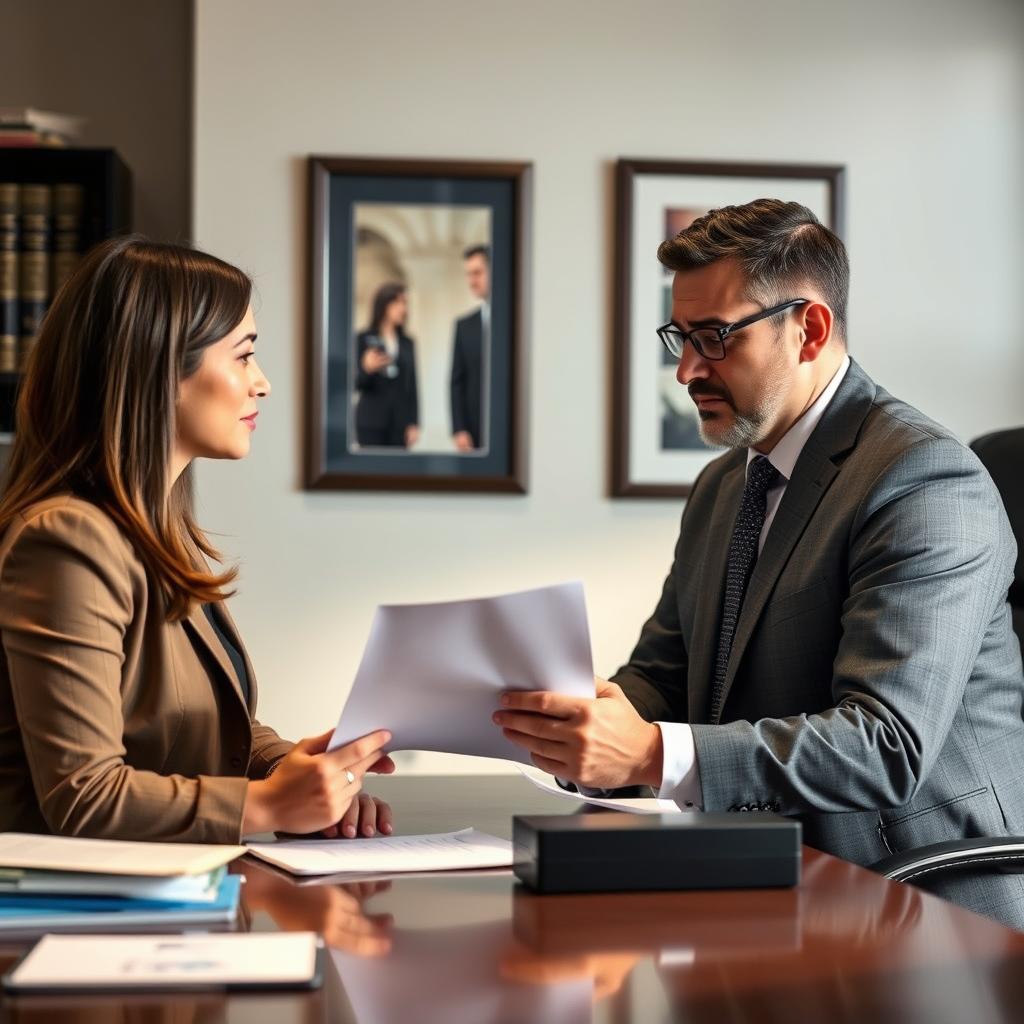
What happens at a DUI arraignment in Washington DC
You were arrested for driving under the influence in Washington, D.C. The officer handed you a citation with a court date—or you were held until you saw a judge—and now you have been told to appear at the D.C. Superior Court at 500 Indiana Avenue NW. That first scheduled appearance is your arraignment. It is a procedural hearing, not a trial. At the arraignment, the judge will read the charges against you, confirm your identity, and ask how you plead. You have the right to have a lawyer present at this stage, and what happens at this hearing can shape the direction of your case. Mr. Sris and his Of Counsel team at Law Offices Of SRIS, P.C. represent individuals facing DUI charges in D.C. Superior Court and can appear with you at your arraignment. Reach the firm at (888) 437-7747 to discuss your situation before your court date. Law Offices Of SRIS, P.C. – Advocacy Without Borders.
Understanding the Arraignment Process at D.C. Superior Court
When you arrive at D.C. Superior Court for your arraignment, you will go through security screening at the entrance of 500 Indiana Avenue NW, near Judiciary Square on the Red Line. Check the court calendar posted in the lobby to find your assigned courtroom. DUI cases in the District of Columbia are criminal matters heard in the Superior Court’s Criminal Division. The arraignment is typically scheduled within a few weeks of your arrest, though the exact timing depends on the court’s calendar.
Once your case is called, the judge will confirm your name and address, inform you of the specific DUI charge under D.C. Code § 50-2206.11, and explain the maximum penalties you face. You will then be asked to enter a plea—guilty, not guilty, or nolo contendere. If you have not yet retained counsel, the judge may ask whether you need time to find a lawyer or whether you qualify for court-appointed counsel. The judge will also address the conditions of your release pending trial, which may include reporting requirements, travel restrictions, or testing obligations. This is a critical moment to have experienced legal guidance at your side.
What Comes After the Arraignment
If you enter a not guilty plea, the judge will set a schedule for the next phases of your case. This typically includes a status hearing where the prosecution and your defense counsel discuss the case, exchange discovery materials including police reports and any breath-test or field-sobriety-test results, and explore whether a resolution short of trial is possible. The court may also schedule a motions hearing if your lawyer identifies legal issues—such as the validity of the traffic stop or the administration of chemical testing—that warrant pretrial argument.
In Washington, D.C., DUI cases are prosecuted by the Office of the Attorney General for the District of Columbia, not by the U.S. Attorney’s Office. The D.C. Criminal justice system has its own procedural rhythms. Experienced counsel who regularly appear in D.C. Superior Court understand how the judges in the Criminal Division handle DUI cases, what the prosecution looks for in discovery, and where opportunities for resolution may arise. Mr. Sris and his Of Counsel appear before D.C. Superior Court judges and work to guide clients through each stage of the process.
Frequently Asked Questions About DUI Arraignments in Washington DC
What is a DUI arraignment?
An arraignment is the first court hearing after a DUI arrest where the judge formally reads the charges and the defendant enters a plea. It is a procedural step, not a trial. The judge will confirm your identity, advise you of the charge under D.C. Law, explain your rights, and ask whether you plead guilty, not guilty, or nolo contendere. The judge also addresses release conditions pending trial. This hearing usually takes only a few minutes per case, but the decisions made at arraignment—particularly concerning plea and counsel—affect everything that follows.
Do I need a lawyer for my DUI arraignment in DC?
You are not legally required to have a lawyer at your arraignment, but appearing with counsel gives you an advocate who understands the charges and can address the judge on your behalf. If you appear without a lawyer, the judge may ask whether you need time to retain one or whether you qualify for court-appointed counsel through the D.C. Public Defender Service. Having an attorney present means someone can argue for favorable release conditions, discuss the plea with you before you enter it, and begin engaging with the prosecution immediately. Contact Law Offices Of SRIS, P.C. at (888) 437-7747 to discuss representation before your arraignment.
What plea should I enter at my arraignment?
Most defense counsel advise entering a not guilty plea at the arraignment to preserve all legal options while the case is reviewed. Pleading not guilty does not mean you are saying you are innocent—it means you want to see the evidence against you and explore possible defenses or resolutions before committing to a course of action. Pleading guilty at arraignment closes off the opportunity to challenge the traffic stop, the testing procedures, or any other aspect of the prosecution’s case. A lawyer can explain the implications of each plea choice based on the specific facts of your arrest.
Will I go to jail at my arraignment?
Most first-offense DUI defendants in D.C. Are released on their own recognizance or with minimal conditions and are not taken into custody at arraignment. The judge considers factors such as your ties to the community, prior record, and the nature of the alleged offense. In some cases, the judge may impose release conditions such as regular check-ins, travel restrictions, or alcohol testing. If there are aggravating factors—such as a prior record or an accident involving injury—the prosecution may request stricter conditions. An attorney can advocate for the least restrictive release terms appropriate to your situation.
What happens if I miss my DUI arraignment in DC?
If you miss your arraignment, the judge will likely issue a bench warrant for your arrest, and you may face additional charges for failure to appear. A bench warrant authorizes law enforcement to arrest you and bring you before the court. It can also affect your release status and may result in the court setting bail or imposing stricter conditions when you do appear. If you realize you have missed a court date, contact a lawyer immediately—do not wait for the warrant to catch up with you. An attorney can often help arrange a voluntary appearance and address the warrant.
How long does a DUI case take in Washington DC?
The timeline for a DUI case in D.C. Superior Court varies depending on the complexity of the case, the court’s calendar, and whether the matter resolves by plea or proceeds to trial. Some cases resolve within a few months of the arraignment; others take longer if motions are filed or if trial preparation is extensive. The court schedules status hearings periodically to check on the progress of discovery and plea discussions. An experienced attorney can give you a realistic sense of what to expect once the specifics of your case are known.
Can DUI charges be dropped at the arraignment?
It is uncommon for DUI charges to be dropped at the arraignment itself, but the groundwork for a future dismissal or reduction often begins at this stage. The arraignment is primarily for entering a plea, and the prosecution has not yet been required to disclose its evidence. However, if your attorney identifies a fundamental defect—for example, that you were charged under the wrong statute or that the citation fails to state an offense—it may be possible to raise the issue with the judge. Most challenges to the prosecution’s case develop after discovery, not at arraignment.
What should I wear to my arraignment at DC Superior Court?
Dress as you would for an important business meeting—clean, conservative, and respectful attire helps make a positive impression on the judge. A suit or dress shirt with slacks is appropriate. Avoid jeans, shorts, t-shirts with logos or slogans, hats, and overly casual footwear. D.C. Superior Court judges expect decorum in their courtrooms, and your appearance is one part of presenting yourself as someone who takes the proceedings seriously. If you are unsure what to wear, your lawyer can give you guidance specific to the judge assigned to your case.
What is the difference between a DUI and DWI in DC?
The District of Columbia uses the term DUI (driving under the influence) rather than DWI (driving while intoxicated), though DWI is sometimes used interchangeably in court documents for alcohol-related impairment. Under D.C. Code § 50-2206.11, the offense encompasses operating a vehicle while under the influence of alcohol, drugs, or a combination of both that impairs your ability to drive safely. Some jurisdictions use DWI to refer specifically to alcohol impairment and DUI for drug-related impairment, but D.C. Generally refers to all such offenses as DUI. The penalties, procedures, and legal standards are the same regardless of which term appears on your paperwork.
How do I find a DUI lawyer in Washington DC?
Look for an attorney who is admitted to practice in the District of Columbia, has experience with DUI cases in D.C. Superior Court, and can meet with you before your arraignment. Mr. Sris is admitted to practice in the District of Columbia, along with Virginia, Maryland, New Jersey, and New York. Law Offices Of SRIS, P.C. has represented individuals facing DUI charges in D.C. Superior Court. To discuss your arraignment and the specifics of your case, reach the firm at (888) 437-7747.
About Mr. Sris and His Of Counsel Team
Mr. Sris, Owner and Founder of Law Offices Of SRIS, P.C., is a former prosecutor admitted to practice in the District of Columbia, Virginia, Maryland, New Jersey, and New York. Practicing since 1997, he brings an informed perspective to criminal defense matters, including DUI cases heard in D.C. Superior Court. Mr. Sris testified before the Virginia House Courts of Justice Committee in support of 2019 HB 635 (chief patron Del. David Bulova). His Of Counsel team includes experienced litigators who appear regularly in D.C. Courts. Together, they work to address each client’s case with thorough preparation and attention to the procedural details that matter at every stage—starting with the arraignment. To request a consultation, call (888) 437-7747.
For a more detailed statutory overview of DUI laws in the District of Columbia, see our comprehensive analysis at srislawyer.com.
Related pages: Georgetown DUI lawyer | Capitol Hill traffic attorney | Dupont Circle DUI defense
Attorney advertising. Prior results do not guarantee a similar outcome. Results may vary.
Case results depend on a variety of factors unique to each case.